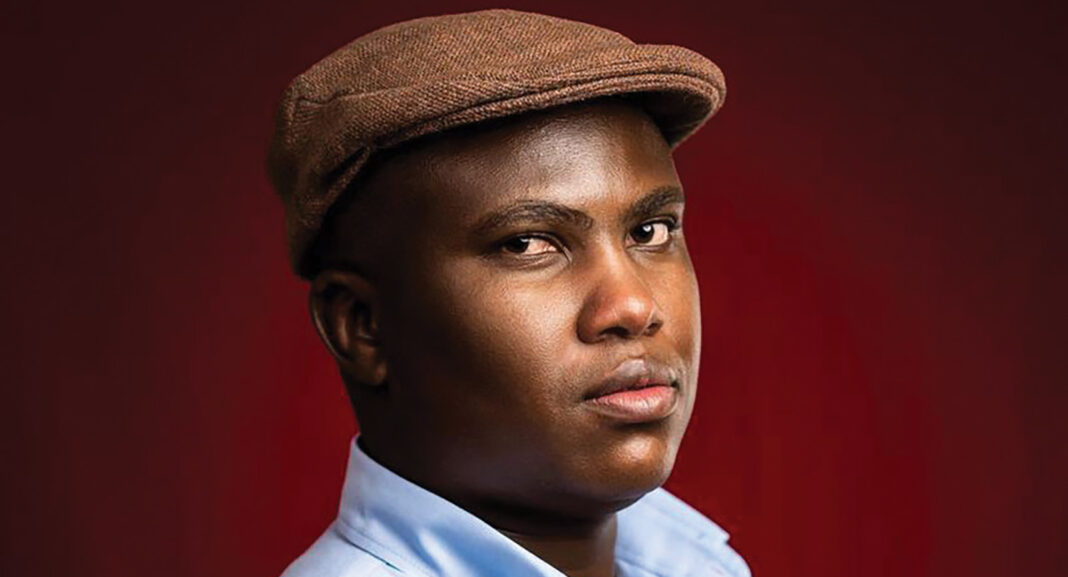

The recently-elected chairperson of the Media Institute of Southern Africa (MISA) Lesotho, Khotsofalang Koloi, says his foremost priority is to ensure the organisation’s financial sustainability. The seasoned media personality told theReporter’s Neo Kolane in an interview that he needs the support of all the stakeholders to achieve this. While he has a clear vision, he doesn’t claim to have all the answers. “Leadership is about collaboration, not monopoly over ideas. I encourage all media practitioners to actively participate, share their perspectives, and contribute to building a stronger organisation, one that ultimately serves the interests of the nation,” Koloi says.
What are your immediate priorities as chairperson of MISA Lesotho?
My top priority is to improve the organisation’s financial situation. At present, reliance on donor funding makes planning unpredictable and limits our ability to execute long-term programmes effectively. I believe this can be addressed by advocating for constitutional reforms that would allow MISA Lesotho to operate as a social enterprise rather than a donor-dependent entity.
For instance, the organisation owns prime property which, through strategic partnerships, could be leveraged to generate consistent income. This would not only fund programmes but also support the secretariat. It is neither sustainable nor fair that members of the secretariat are effectively volunteering their services. A professional body like MISA must be supported by a properly resourced and remunerated administrative structure.
Secondly, I want to grow our membership. This will require ensuring that MISA offers meaningful programmes and tangible value that justify both the time and financial commitment of members.
How will your leadership style strengthen the organisation?
I believe in inclusive leadership, bringing people along and tapping into collective wisdom. At the moment, there appears to be a disconnect between long-standing members and the newer generation of journalists. This gap has, unfortunately, led to some experienced members disengaging from the organisation. One of my key responsibilities is to bridge this divide. We need to re-engage veteran journalists, not as passive observers, but as active contributors. Platforms such as press clubs can be used to facilitate mentorship, knowledge-sharing, and institutional memory transfer. A stronger, united membership will ultimately strengthen MISA’s voice and impact.
What gaps in media freedom and development concern you most right now?
Ethics remains a major concern, particularly within the broadcasting and social media space. While these platforms have democratised information sharing, they have also exposed weaknesses in professional standards.
It is worth noting that previous leadership, in collaboration with stakeholders, facilitated training programmes for practitioners without formal journalism education. However, there are still instances, albeit limited, where ethical lapses persist.
As MISA, our advocacy for media freedom must go hand in hand with accountability. Media freedom should not be interpreted as carte blanche for unprofessional conduct. We need to regroup, refresh our standards, and continuously educate one another.
How do you assess the current state of media freedom in Lesotho?
Overall, media freedom in Lesotho is relatively healthy, especially when compared to many other countries on the continent. However, challenges do arise. There are occasional threats against journalists, often from political actors, which undermine press freedom.
At the same time, some journalists have unfortunately placed themselves in vulnerable positions by compromising ethical standards, particularly when they straddle the line between journalism and active politics. This dual role can be dangerous and risks undermining the credibility of the profession as a whole.
Are there specific laws or policies you intend to reform or advocate for?
The passage of the Tenth Amendment to the Constitution is a significant milestone, as it provides for the establishment of the Media Council and the Media Ombudsman. These institutions are critical for promoting accountability and professionalism within the media sector. However, progress has stalled at the implementation stage. There has been reluctance from the Ministry of Communications to push for the necessary legislation and regulations to operationalise these constitutional provisions. This is something we intend to actively lobby for.
Additionally, we are concerned about certain provisions in the Cyber Security Bill—particularly those that criminalise whistleblowing and the receipt of information from whistleblowers. While we are not opposed to the bill in its entirety, we strongly advocate for amendments to these clauses to protect investigative journalism and the public’s right to information.
How will MISA Lesotho respond to intimidation or harassment of journalists?
This is an issue I take personally, as I have experienced such challenges myself. We plan to implement public awareness programmes across various media platforms to educate citizens about the role of journalists and the importance of press freedom.
We are also working towards strategic partnerships, including with the Law Society of Lesotho, to ensure journalists have access to proper legal representation—particularly in cases where the courts may be used to intimidate media practitioners.
Furthermore, we aim to strengthen collaboration with the Lesotho Mounted Police Service. While the police have shown willingness to act in such cases, formalising this relationship will help ensure that incidents of harassment and intimidation are prioritised and handled effectively.
What role should MISA play in protecting freelance and community journalists?
Protecting freelance and community journalists is central to our mandate—even for those who are not members of MISA. While we encourage membership, we also respect the right to freedom of association. That said, we will include non-members in selected programmes such as press clubs and training workshops. Strengthening the entire media ecosystem benefits everyone. If only a portion of practitioners adhere to ethical standards while others do not, it weakens the profession as a whole. We must work towards a unified standard of practice.
Will you introduce new training and development programmes during your term?
Absolutely. Training is a top priority in our short-term agenda. We plan to engage experienced journalists—both active and retired—to facilitate capacity-building programmes. In addition, we will collaborate with higher education institutions to develop tailored short courses that address practical skills gaps.
Modern journalism demands versatility. Today’s journalist must be able to write, capture quality photographs, produce video content, and record audio for multimedia storytelling.
Beyond editorial skills, we are also engaging institutions such as Basotho Enterprise Development Corporation to provide business training. Given the low earnings in the profession, it is important to equip journalists with entrepreneurial skills. Encouraging the formation of cooperatives and media enterprises can significantly improve livelihoods.
How will MISA Lesotho support young and emerging journalists?
We plan to engage media owners, editors, and managers to better understand the gap between academic training and newsroom realities. From there, we will design targeted press clubs and training programmes aimed specifically at bridging this gap. Supporting young journalists is essential for the future of the profession, and we must ensure they are adequately prepared for the demands of the industry.
What role should Lesotho play in advancing media freedom in Southern Africa?
Lesotho is relatively well-positioned compared to many countries in the region. We must build on this foundation rather than become complacent. If we successfully implement reforms and strengthen our institutional capacity, there is potential for Lesotho to host regional initiatives—even a MISA regional office. Additionally, we should actively seek representation in regional governing structures to ensure our voice contributes meaningfully to broader media freedom efforts.
How will you measure your success as chairperson?
Success can be difficult to measure, but for me, it will be reflected in improved unity among journalists and better overall welfare for our members. Lesotho has a wealth of talented journalists, but divisions within the profession often undermine our collective potential. If we can foster unity and collaboration, that alone would be a significant achievement.
What inspired you to take on this leadership role?
Through my travels across Africa, Europe, and Asia, I have been exposed to innovative ideas and best practices in media development. I felt it was important not to keep this knowledge to myself, but to share it with colleagues back home.
Our journalists are capable of producing work that meets international standards. My vision is for a united media fraternity that can collaborate effectively—so much so that international news agencies would rely on local journalists rather than sending their own crews. Ultimately, this is about giving back and sharing knowledge.