
By Seleoe Nonyane
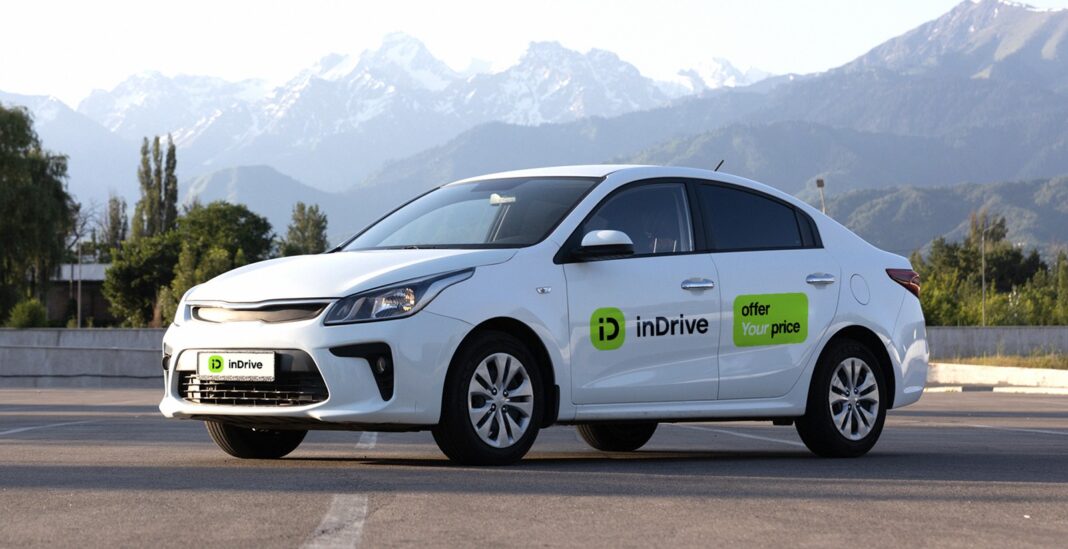
A global company headquartered in California, United States of America, inDrive, has expanded into Lesotho where it hopes to transform the country’s urban mobility.
inDrive empowers both drivers and passengers with its innovative name-your-price system.
With over 175 million downloads, the inDrive app was 2022’s second most popular international mobility application.
Beyond just ride-hailing, inDrive offers a growing array of services such as city to city transit, freight delivery, task support, courier services, and job hunting. Presently, inDrive is active in over 40 countries.
Unlike other ride-hailing services, inDrive allows drivers and passengers to determine their own fares instead of adhering to algorithmically set prices. Passengers suggest a fare for their trip, and drivers can accept, decline, or counteroffer.
The decision is based on factors like fare amount, car type, estimated arrival time, and driver ratings. This unique fare negotiation model empowers both drivers and passengers to mutually agree on a price.
In an interview with theReporter this week, the business development representative of inDrive Southern Africa, Vincent Lilane, noted that there is a clear need for a new approach to ride-hailing and urban mobility in the region.
As a result, inDrive’s unique fare negotiation model addresses many current challenges in the Southern African ride-hailing market by empowering drivers and passengers to agree on prices without algorithmic restrictions.
Lilane said by embracing a name-your-price payment framework and community upliftment programmes, the system actively contributes to sectors like education, sports, the arts, sciences, gender equality, and more vital causes.
He explained that what sets the company apart from other mobility services is that ride-hailing platforms deduct a service fee of around 30 percent from drivers’ earnings.
“However, inDrive only charges only a 10 percent commission. Furthermore, inDrive has eliminated this fee for the first six months after launching in Lesotho, allowing drivers to keep all their earnings. After this initial period, the standard fee will be reinstated,” he indicated.
When asked how the whole service functions, Lilane said users specify their pickup and drop-off locations in the app and nearby drivers with verified documents are notified of the passenger’s pickup spot and suggested fare.
Thereafter drivers can accept the suggested fare or propose another one so. Once the fare is agreed upon by both parties, the driver picks up the passenger and the journey proceeds.
Lilane emphasized that safety is a top priority for inDrive as evidenced by the fact that the company conducts rigorous background checks on drivers, verifying necessary documents and licenses.
He said passengers can rate their rides and offer insights into driver behaviour and service quality.
“The app also incorporates safety features such as real-time GPS tracking during trips and an emergency button that enables immediate contact with authorities.
“A 24/7 dedicated support team backs these features,” he noted.
He said in an era of economic uncertainty compounded by the ongoing effects of global crises, the demand for fair, transparent, and safe ride-hailing services has grown louder.
Lesotho, with its distinct demographics and socio-economic conditions, requires a ride-hailing solution tailored to its specific needs, Lilane added.