The National Assembly Chair of Chairs, Mokhothu Makhalanyane has urged legislators to assert their institutional independence, protect their oversight powers, and refuse to become rubber stamps of the executive.
He warned that if parliament is weak, development will be hijacked by vested interests.
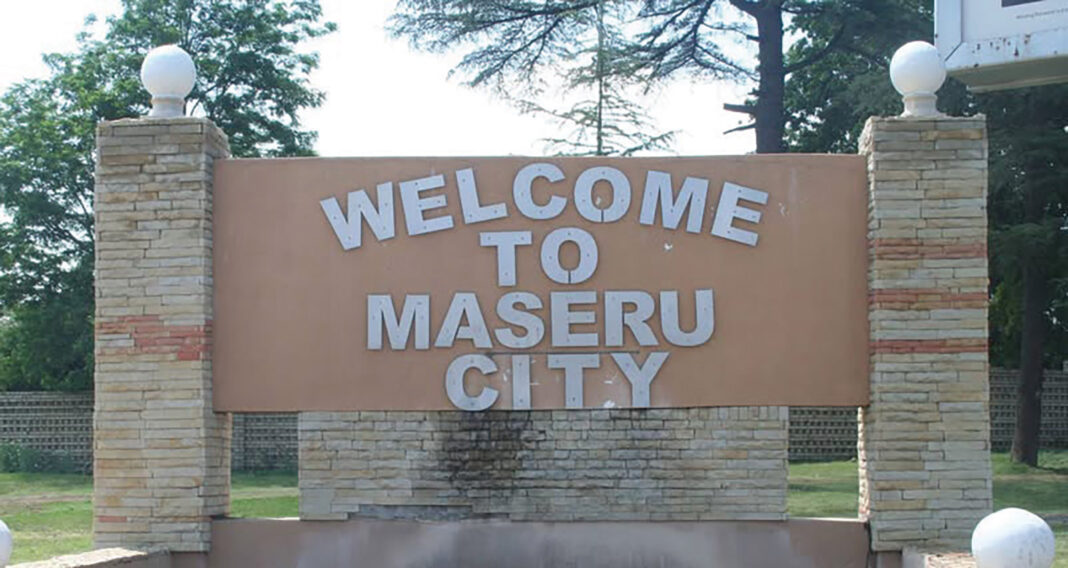
Makhalanyane made this warning during the official opening of the 17th conference and the 21st Annual General Meeting of the Southern African Development Community Organisation of Public Accounts Committee (SADCOPAC) held in Maseru, under the theme: ‘Strengthening Oversight Sustainable Development: Enhancing Parliamentary Engagement in Public Finance Management.’
The three-day conference brought together 149 delegates from Angola, Botswana Burundi, Eswatini, Ethiopia, Ghana, Kenya, Malawi, Mauritius, Namibia, Nigeria, Somalia, South Africa, Tanzania, Uganda, Zambia, and Zimbabwe.
Makhalanyane said parliamentary oversight is a constitutional responsibility and moral imperative that ensures public resources serve public interests.
He noted that maladministration and misallocation have robbed Basotho of water, medicine, and economic opportunities. This is not just financial management, but structural violence against the poor.
“We cannot discuss sustainable development without confronting the cancer of corruption. The African Union estimates that Africa loses over USD148 (M2.55 billion) annually to corruption, more than we receive in aid,” Makhalanyane indicated.
He indicated that there is a need to demand timely audit reports, enforce implementation of audit findings, push for procurement transparency, protect whistle-blowers and integrity institutions, and engage civil society and the media.
The true power of parliament lies not only in passing budgets but in tracking every cent and asking who benefited and how, he noted.
Makhalanyane also emphasised that oversight is about delivering results, not opposition.
He added that scrutinising expenditure on essential services like health and education defends the rights and dignity of citizens, particularly the most vulnerable.
He further urged lawmakers to utilise oversight to tackle pressing issues such as inequality, climate accountability, and inclusive growth, while ensuring governments uphold their commitments to the UN Sustainable Development Goals (SDGs).
Makhalanyane further urged the conference to adopt common standards on anti-corruption, share good practices on budget oversight and strengthen inter-parliamentary cooperation.
“Let us move from rhetoric to resolution, from reports to results. Oversight is our weapon; sustainable development is our target; and corruption is the enemy,” Makhalanyane added.
Speaking at the same occasion, the Vice President of the African Parliamentarians Network Against Corruption (APNAC), Themba Mliswa, noted that corruption fights back in a big way.
Mliswa lamented that while public accounts committees and SADCOPAC have done commendable work in investigating corruption, anti-corruption agencies and the police are not taking sufficient action, thereby hindering progress in the fight against graft.
He also indicated that the Auditor General’s office takes significant risks in exposing the misuse of public funds, yet despite providing detailed and factual reports, no action is taken on their findings.
SADCOPAC and parliamentary members should reject or block the passage of budgets for ministries that have received adverse audit reports or been flagged by the Auditor Generals for mismanagement or corruption.
“It’s a shame to us as legislators to continue allocating or voting for budgets of ministries that have been red flagged by the Auditor General for misappropriation of public funds. Let us work together and fight and expose corruption. Auditor General’s reports are factual and needs serious actions,” Mliswa said.
The Speaker of the National Assembly, Tlohang Sekhamane, said the work of parliament is to look after the welfare of citizens, primarily to monitor the manner in which national wealth is created and spent.