
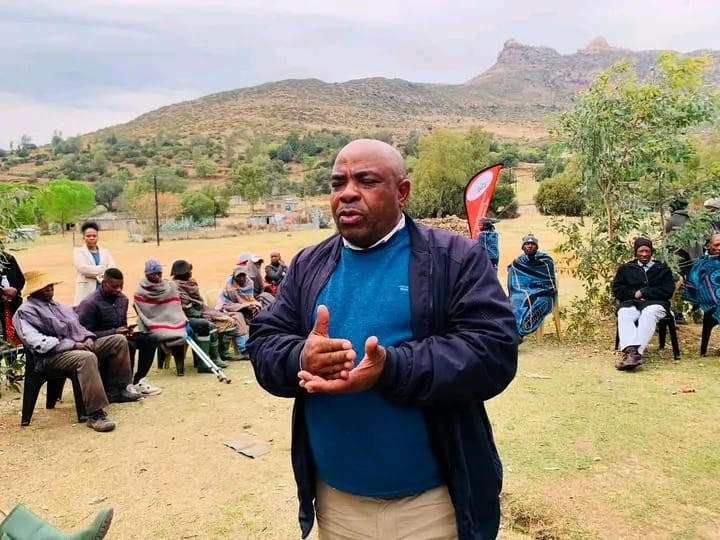

The Crime Prevention, Rehabilitation and Reintegration of Ex-Offenders Association (CRROA) has held a Men’s Dialogue at Kolo Ha Mohlalefi in Mafeteng to discuss issues affecting men and communities.
The meeting focused on crime prevention, rehabilitation and the successful reintegration of ex-offenders into society.
The initiative seeks to create a platform where men can openly discuss challenges they face, reflect on their responsibilities within families and communities, and explore ways of preventing crime and supporting positive behavioural change.
Speaking at the event yesterday, CRROA President Nkalimeng Mothobi warned men about the serious consequences of failing to control anger and resorting to abusive behaviour.
Mothobi explained that abuse, particularly when it escalates into physical violence, can have life-changing consequences and may ultimately lead perpetrators to prison.
“I urge men to learn how to manage their emotions and seek constructive ways of resolving conflicts rather than allowing anger to dictate their actions,” he said.
He stressed that many people find themselves behind bars because they act impulsively when angry, only to realise the consequences of their actions when it is too late.
Mothobi encouraged men to walk away from situations that could provoke violence, communicate openly and seek help when they struggle to manage their emotions.
The message formed part of the broader objective of the Men’s Dialogue, which seeks to engage men in addressing gender-based violence, harmful behaviours and the importance of positive masculinity.
Similar dialogues in Lesotho have been used to encourage men to challenge social norms that contribute to violence and to promote healthier ways of dealing with conflict.
CRROA continues to advocate for rehabilitation and reintegration as important components of crime prevention, encouraging communities to support individuals who have served their sentences as they work towards rebuilding their lives.
The organisation believes that meaningful dialogue and community involvement can contribute to safer communities while reducing the risk of former offenders returning to crime.


