
The Parliamentary Natural Resources Cluster Committee has raised serious concerns over the slow implementation of OnePower (1PWR) Lesotho’s mini-grid electrification projects across the country.
It accusing the company of failing to meet its contractual obligations and leaving rural communities without the electricity they were promised.
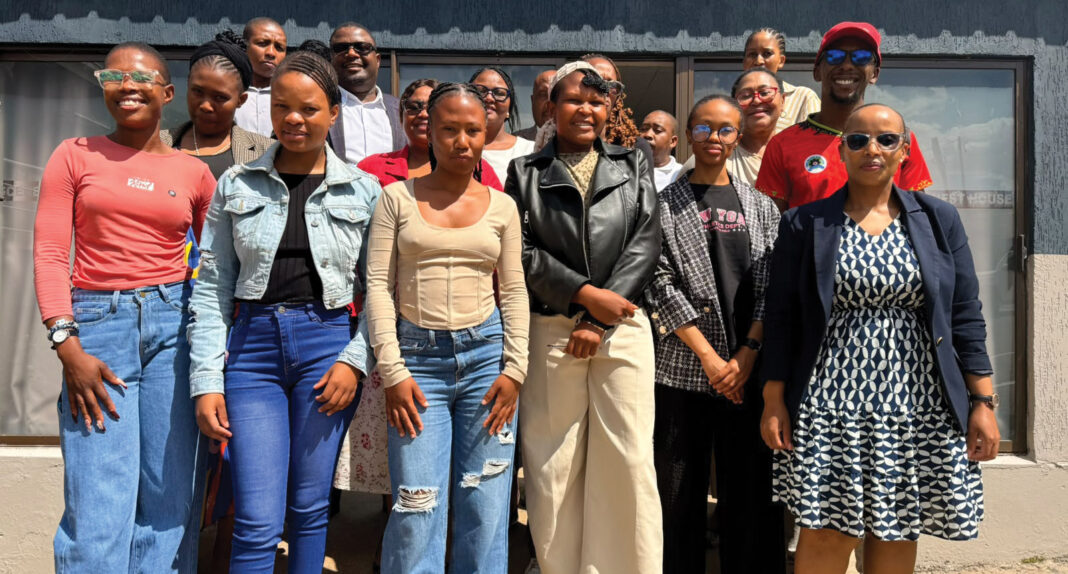
Following complaints from residents about the company’s failure to provide reliable electricity, the committee undertook an oversight visit to assess progress and establish why communities continue to experience challenges of the projects.
The visit began on Wednesday in Tlhanyaku and Matsoaing in Mokhotlong before the committee proceeded to Ha Makebe in Berea yesterday (Thur).
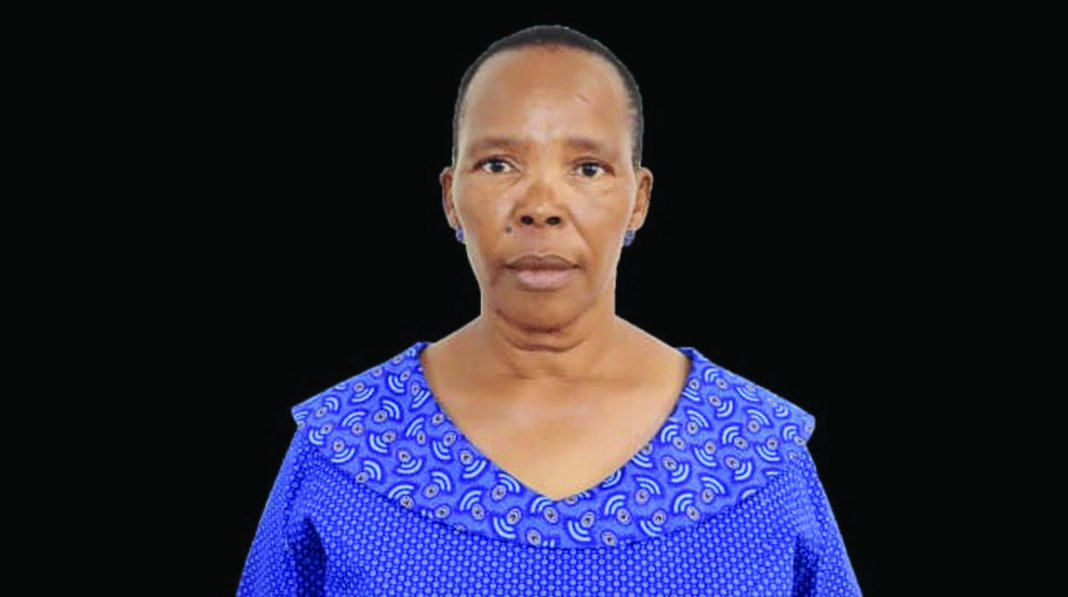
Speaking on behalf of the committee, Koro-Koro Member of Parliament Abinyane Mahatanya described OnePower’s progress as unsatisfactory, saying the company was falling far behind what the government had expected under the agreement.
Mahatanya said that under the contract signed in 2016, but whose implementation only commenced in 2021, OnePower was expected to connect 1,200 households in the targeted areas.
However, the company has so far connected only 367 households in Mokhotlong only, representing an estimated 30.6 percent of the target.
Of these, 87 households have been connected in Tlhanyaku and 280 in Matsoaing, leaving 833 households still outside the project’s electricity connections.
The committee’s concerns, however, go beyond the low number of connections. It found that even some of the households already connected were not receiving electricity because of faulty connections. Others had allegedly been disconnected over their failure to pay M1, 000 in household contributions towards the schemes.
The reported disconnections have raised questions about the affordability and sustainability of the mini-grid model, particularly in remote communities where residents are among the most economically vulnerable and have limited access to alternative electricity sources.
Mahatanya said the situation was particularly concerning given the government’s commitment to ensuring universal electricity access by 2030, warning that poor implementation of rural electrification projects could undermine that national ambition.
The government has committed to ensuring that every Mosotho has access to electricity by 2030, a target repeatedly emphasised by Prime Minister Ntsokoane Matekane.
Matekane has described electricity as a basic necessity for households, businesses and students, and called for accelerated efforts to ensure that no community is left behind.
Mahatanya said the committee was disappointed that a project intended to extend electricity to underserved communities was instead leaving residents frustrated and, in some cases, without functioning connections.
“We are deeply disappointed by the manner in which OnePower is implementing its projects. The pace of progress is unacceptably slow, and there appears to be little urgency from management in addressing the challenges raised by the communities,” he told theReporter in an interview yesterday.
He added: “Under the agreement, the company was expected to connect 1,200 households, yet only 367 have been connected in the areas we have assessed in Mokhotlong. This is a worrying shortfall, especially considering the time that has elapsed since the project was initiated. We are yet to assess other projects, including Mashai, Matelile and Makhaleng, Sehonghong, Sehlaba Thebe, Lebakeng, Tosing, Sebapala, Ketane, among others, but what we have seen so far raises serious questions about the company’s capacity and commitment to delivering on its obligations.”
Mahatanya indicated that the committee was particularly troubled by complaints from villagers who said they had been neglected despite being promised electricity.
“The communities are complaining that they have been abandoned and are not receiving the electricity they were promised. The Prime Minister has made it clear that every Mosotho must have access to electricity, and we cannot continue operating in a manner that excludes the very communities that need this service the most.
“The issue of requiring households to pay for these schemes must also be examined, particularly in remote mini-grid areas where many residents are vulnerable. We cannot speak of universal electricity access while people who have been promised connections are being left without power or disconnected because they cannot afford the required contributions,” Mahatanya said.
The committee also raised concerns about the company’s alleged failure to pay its workers, saying labour-related problems could further compromise the delivery and maintenance of electricity services.
According to Mahatanya, the committee found that offices in some project areas were sometimes left unattended, making it difficult for residents to access assistance when they experienced faults or other electricity-related problems.
The absence of company personnel at local offices left communities with no clear point of contact, raising concerns about the responsiveness of the service provider and the effectiveness of its management structures.
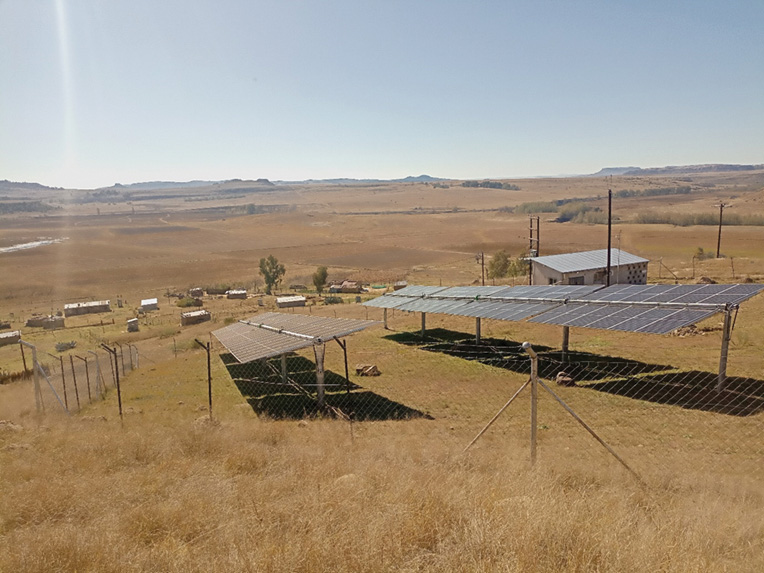
The committee further expressed concern over the condition and placement of some solar panels, which Mahatanya said had been installed in potentially dangerous locations and were not receiving adequate maintenance.
He warned that poorly maintained installations and infrastructure placed in unsafe areas could expose community members to unnecessary risks, while also threatening the long-term reliability of the projects.
The findings raise broader questions about the monitoring and enforcement of contractual obligations in rural electrification projects, particularly those involving private developers and development partners.
Mahatanya explained that OnePower was not directly funded by the government, as the company was responsible for securing its own sponsors. However, he said it collected electricity royalties and also received a certain subvention from the United Nations Development Programme.
This, he suggested, made it important for the relevant stakeholders to ensure that resources allocated to the projects translated into tangible benefits for the intended beneficiaries.
The committee’s concerns come at a critical time as Lesotho intensifies efforts to expand electricity access, particularly in rural and mountainous areas where extending the national grid is often costly and technically challenging.
Mini-grids are considered an important alternative for reaching remote communities that are unlikely to be connected to the conventional electricity network in the immediate future. Their success, however, depends not only on installing infrastructure but also on ensuring reliable supply, proper maintenance, affordable connections and effective customer support.
The committee’s findings therefore raise questions about whether the existing implementation arrangements are sufficiently protecting the interests of rural consumers and whether the responsible institutions are adequately monitoring the performance of private operators.
With the 2030 universal electricity access deadline approaching, the concerns could put renewed pressure on the government and its development partners to establish whether the projects are on course, what has caused the delays and what corrective measures will be taken to ensure that communities receive the services promised to them.
Efforts to get a comment from OnePower were unsuccessful as their phones rang unanswered.