
By Kefiloe Kajane
Lesotho’s new tax treaty with Mauritius is set to benefit the kingdom as it has expanded the scope of Permanent Establishment (PE) to include structure for exploration of natural resources.
PE is a fixed place of business that generally gives rise to income or value-added tax liability in a particular jurisdiction.
According to the Lesotho Revenue Authority’s (LRA) manager International Treaty Development Makoena Qhobela in an interview with theReporter this week. explained that the new tax treaty was signed on January 14 2021 in Mauritius and March 2 2021 in Maseru.
She said the treaty now unlike the old one of 1997, includes the article on fees for technical services, whose absence in the old treaty was cause for a lot of treaty abuse.
Qhobela explained that the new treaty is also aligned to the recent updates meant to curb Base Erosion and Profit Shifting through inclusion of anti-abuse provisions.
“The PE thresholds have also been decreased to allow for taxation within a shorter period of time. Experience has shown that with new technology, buildings and other services can now be completed in a short period and should therefore be taxable in the source country within that period.
“The old treaty also had the Most Favoured Nation (MFN) clause, which denied Lesotho to expand its treaty network in an economic and favourable manner. The modern tax treaty provisions include, among others the updated articles on exchange of information, assistance in recovery and entitlement to benefits; which are all meant to enhance collection of taxes, transparency in tax matters, elimination of tax avoidance and evasion and mostly to enhance mutual assistance between both countries in tax matters,” she said.
Lesotho joined a chorus of African authorities complaining that agreements with tax haven Mauritius were bleeding their governments of much-needed tax revenue.
For decades, some of Mauritius’ most potent tools in its arsenal as a tax haven were bilateral agreements signed with neighboring African nations. While the intention of such treaties was generally to ensure companies do not pay taxes twice on the same pool of money, savvy firms took advantage of Mauritius’ tax rate often as low as 0 percent to instead pay little or no tax at all.
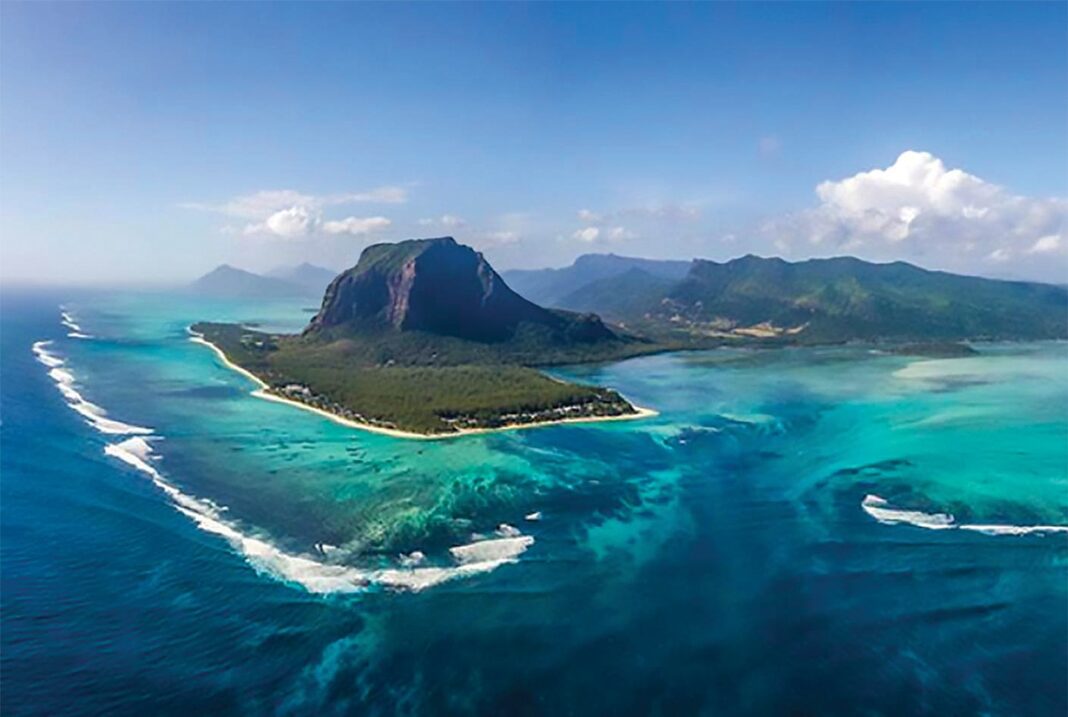
The island, which sells itself as a “gateway” for corporations to the developing world, has two main selling points: bargain-basement tax rates and, crucially, a battery of “tax treaties” with 46 poorer countries. Pushed by Western financial institutions in the 1990s, the treaties have proved a boom for Western corporations, their legal and financial advisers, and Mauritius itself and a disaster for most of the countries that are its treaty partners.