
. . . only M19m disbursed from IGF so far
. . . limited awareness largely blamed
. . . as govt plans to intensify communication
Government is struggling to disburse M400 million under the Inclusive Growth Fund (IGF) loan facility due to lower-than-expected demand and limited awareness among Basotho.
The IGF was established during the 2025/26 financial year, to expand access to finance for Basotho-owned micro, small and medium enterprises (MSMEs), particularly women, youth and start-ups.
The project is expected to support 4,000 enterprises and create 25,000 jobs by 2028.
Only M19 million, less than five percent of the M400 million allocated to the scheme, has so far been disbursed to a paltry 24 businesses.
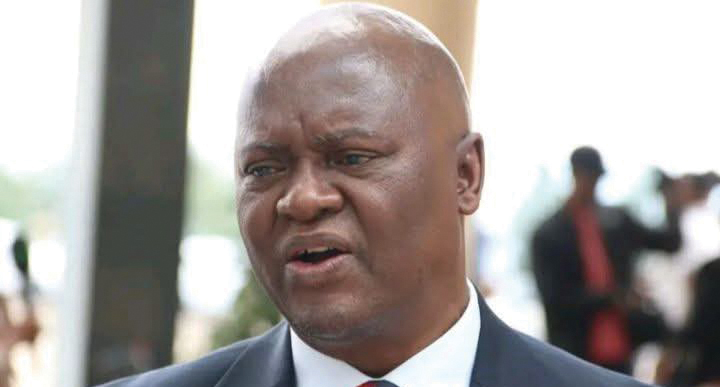
Government Spokesperson Boitelo Rabele this week acknowledged the situation.
He said demand for business loans by the targeted groups was there even though not in a way government expected.
Rabele noted that government had identified lack of awareness as one of the reasons for the slow uptake and was planning to intensify its communication efforts to conscientise Basotho of the funding opportunity.
Application figures show that interest in the scheme exists, but many applications have yet to progress through the process.
According to Rabele, 76 applications are currently at the prospecting stage, 44 are under review and 32 have been approved.
Of the approved applications, 24 businesses have already received their loans, while the remaining eight are expected to receive funding soon.
He said women and young people account for 14 of the 24 businesses that have received funding. Seven beneficiaries are women-owned businesses, while another seven are youth-owned businesses, together representing about 58 percent of all beneficiaries.
“Women-owned businesses have received approximately M2.96 million, while youth-owned businesses have accessed M9.60 million. The remaining beneficiaries have received about M6.9 million,” Rabele indicated.
The scheme requires prospective borrowers to provide proof that they have attended a business incubation programme offered by organisations such as the Competitive and Financial Inclusion project, Basotho Enterprises Development Corporation, Lesotho National Development Corporation or other development partners.
Applicants are also expected to meet a range of standard requirements including having an active Lesotho PostBank and First National Bank (FNB) account for at least six months, financial statements, cash-flow projections, a valid trader’s licence, tax clearance, a business profile and other business documentation.
For start-ups, the requirements include three-year financial projections, a detailed business plan and projected financial statements.
The maximum loan available to an individual business is M2 million.
Rabele explained that the loans are intended for Basotho with a track record and relevant training.
He added that government ministries could help trained groups and business people access the facility, including through guarantees for self-help projects.
“The loan is given to Basotho who have track record to have attended training,” he pointed out.
IGF is one of government’s key interventions to fight unemployment by financing Basotho-owned enterprises, particularly those owned by women and youth.
Lesotho is battling a deepening unemployment crisis. The 2024 Lesotho Labour Force Survey puts overall unemployment at 30 percent, up from 22.5 percent in 2019. Among youth aged 15 to 35, unemployment stands at 39 percent.
The Minister of Finance and Development Planning, Dr Retšelisitsoe Matlanyane, told Parliament in February that nearly 39 percent of young people actively looking for work cannot find jobs, with about 145,087 youth unemployed out of 760,230 aged 15 to 35.
World Bank and International Labour Organisation modelled estimates place overall unemployment lower at around 16.1 percent, reflecting different methodologies on informal work and discouraged workers, but youth figures consistently remain near 38 to 39 percent.
The crisis is worsened by Lesotho’s small industrial base, reliance on textiles and subsistence agriculture, and job losses linked to US tariffs and aid cuts.
The severity of the crisis prompted Prime Minister Sam Matekane to declare youth unemployment a national disaster in July 2025.
The declaration, titled Declaration of National State of Disaster of Socio-Economic Effects on High Rate of Youth Unemployment and Job Losses in Lesotho, is effective for two years to June 30, 2027. It allows government to take extraordinary measures, including directing ministries to ring-fence budgets for job creation and reserving 40 percent of public tenders for youth, women and people with disabilities.
Under the disaster response, government announced plans to create more than 62,000 jobs starting July 1, 2025, waived fees for sole trader registration, launched the M400 million IGF to fund youth-led businesses, and expanded programmes such as Sebabatso and weekend flea markets.
Launching the IGF in April 2025, Matekane urged Basotho entrepreneurs to take charge of the country’s economic future.
He said the M400 million in loans would be distributed through various banks to make them widely accessible to entrepreneurs seeking capital.
Rabele noted that despite the slow disbursement, government recognises that there is demand for the facility and intends to strengthen its messaging to reach more potential beneficiaries.
In an interview with this publication on Wednesday, the Audacious Leaders Network Project Manager, Kemang Maepe, echoed Rabele’s sentiments that lack of knowledge is one of the major reasons why youth miss such opportunities.
“I am not aware of such initiative and it means there are a lot of other youth who still do not know about it,” he said.
Maepe advised government to broaden its communication strategy and use grassroots youth organisations to reach the target group.
According to him, many young Basotho are desperate for funding to start and grow businesses as a way to fight unemployment, but information about government initiatives rarely reaches them.
He also urged government to partner with community-based youth structures when rolling out programmes like the IGF.
Such collaboration would improve uptake and ensure the fund benefits those it was intended for, particularly youth and women.
“Grassroots organisations such as ours are already in the space to sensitise youth. If we are well informed about initiatives that would benefit young people, we would be in better position to disseminate the information,” Maepe indicated.