
By Seleoe Nonyane
The Southern African Alcohol Policy Alliance (SAAPA) has reacted to the impending reduction of alcohol and tobacco levies from October 1 2023, accusing the government of ‘toying’ with Basotho’s lives.
The minister of finance and development planning, Retšelisitsoe Matlanyane, last week announced that levies that were introduced in March this year would be revised.
This after tobacco and alcohol traders expressed dissatisfaction with the Alcohol and Tobacco Levy Act of 2023.
Initially, the levy rate for tobacco products was 30 percent while the rate for alcohol products was 15 percent.
The schedule to the Tobacco and Alcohol Products Levy Act 2023 is amended by deleting 30 percent and 15 percent and substituting 15 percent and 7.5 percent respectively.
SAAPA expressed its disappointment in the government for this new development.
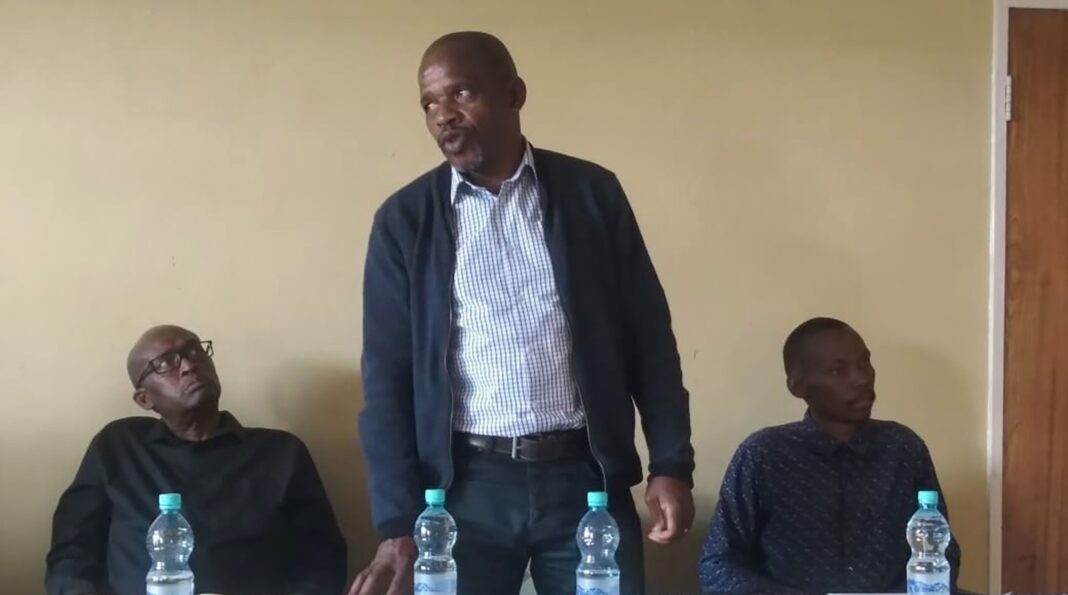
SAAPA chairperson, Thabo Mokhutšoane, this week said the decision had shocked them as major stakeholders, because they had not been consulted before the announcement.
He argued that tobacco and alcohol consumption in the country affects every household in the country.
Mokhutšoane said a 50 percent reduction on the sin tax has been made irrespective of deliberations that were made in parliament by stakeholders and the government.
“We strongly feel that a decision of this magnitude should have followed some due processes before it is done unilaterally as it has happened,” he noted.
He added that even though they were not happy with the ‘drastic’ change, they still appreciated that the government did not remove the alcohol levy entirely.
Mokhutšoane said the organisation would support the government, further reiterating that the use of the levy should be used consultatively by all stakeholders.
A member of a youth movement called Bacha Shutdown, Thuso Leino, also registered his displeasure with the levy reduction.
Leino claimed that the cut was an indication that the government does not have Basotho’s best interests at heart.
He lamented that the youth of this country are the most affected by alcohol and drug abuse which is destroying the lives of many.
“The government needs to be held accountable for this development,” Leino said.
Proponents of the sin tax believe the government intends to use legislation to influence acceptable or normal consumption of tobacco and alcohol products.
The levies are expected to increase government revenue in order to fund developmental programmes in the country.
Alcohol and tobacco traders were against the introduction of the levy and wanted it to be scraped or decreased.
They argued that both products were being smuggled into the country, adding that the illegal sale of these products is also proliferating due to Lesotho prices being higher than those in South Africa.
They further argued that the introduction of the levies also meant jobs would be lost as employers went out of business and forced to shut down their operations or retrench to cut costs.
In addition, the traders mentioned that government revenue would also decline as consumers get their stock from South Africa where prices are lower.