
‘Mantšali Phakoana
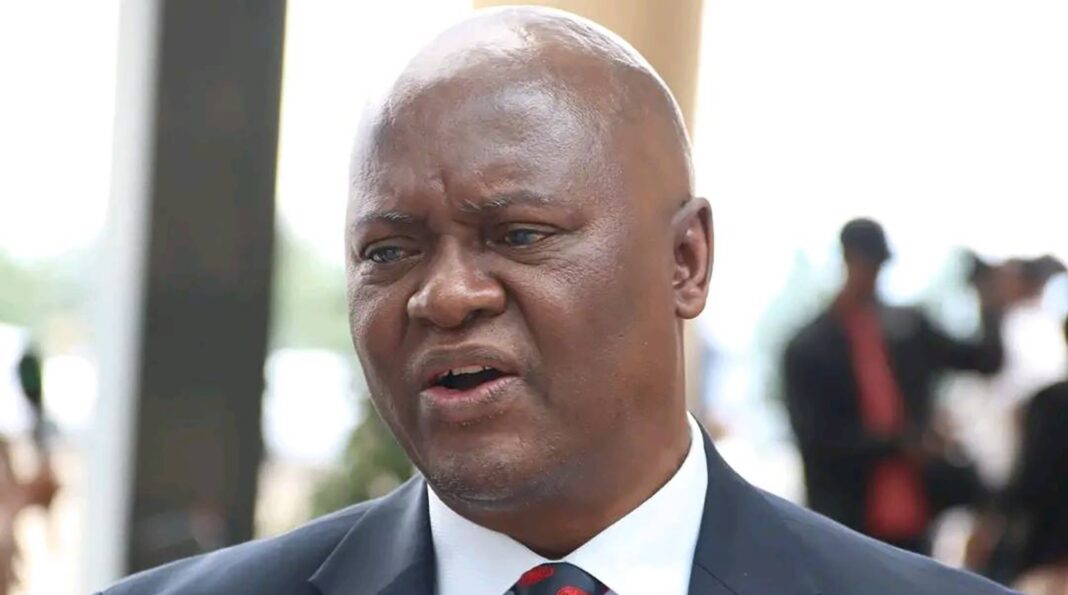
The Speaker of Parliament, Tlohang Sekhamane, has bemoaned the current limited engagement between MPs and the public, saying this creates a disconnection between the two parties
Sekhamane said such a gap makes it difficult for the public to appreciate the work of government and legislators.
Speaking at a meeting with the media this week, he noted that democracy, openness and transparency in government institutions could prevail if there is collaboration between the media and parliament.
The engagement was aimed at exploring possible collaboration between the two parties in promoting the Speaker’s initiative to take parliament to the people.
The “Taking parliament to the people” project was launched by Sekhamane on March 8, 2023 during celebrations to mark International Women’s Day.
Sekhamane indicated that the meeting marked a milestone in promoting collaboration between the National Assembly, journalists and the public.
He stressed the importance of parliament engaging the public on national developmental issues.
He also pointed out that it was worrisome that MPs only engage with the public during preparations for elections when they need their votes.
“We have realised that there is an unhealthy gap between parliament and the public at large. The two only meet after five years when parliamentarians seek votes.”
Sekhamane added that regular engagement with constituents is an integral part of representative democracy and must be used as an effective tool for citizens’ participation in decision-making.
“I believe this would foster transparency and accountable governance.
“Structured engagement, including regular constituency visits by MPs, helps to know how we have performed and what we can do to better our work,” Sekhamane noted.
He warned that failure by MPs to engage the public on issues that concern them can put the four arms of government – executive, legislative, judiciary and media – at risk.
Reminding media of their responsibilities, Deputy Speaker of the National Assembly, Tšepang Tšita-Mosena, noted that as the fourth estate of government, they play a vital role to educate and disseminate information to the public.
Tšita-Mosena therefore pleaded with media to collaborate with the office of the Speaker of Parliament to exercise their watchdog responsibilities.
She also emphasised the parliament’s commitment in ensuring media access to information.
Mosena pointed out that the meeting between the media and parliament should have come soon after the 11th parliament commenced duty in 2022.
“We should have begun this engagement with media as early as when this parliament begun its duty but, since most of us (MPs) are new in here, we needed time to settle down before engaging the media.
“Our primary role is to oversee the daily operations of MPs, a very difficult and challenging duty which we cannot successfully achieve without the help of media,” Mosena noted.
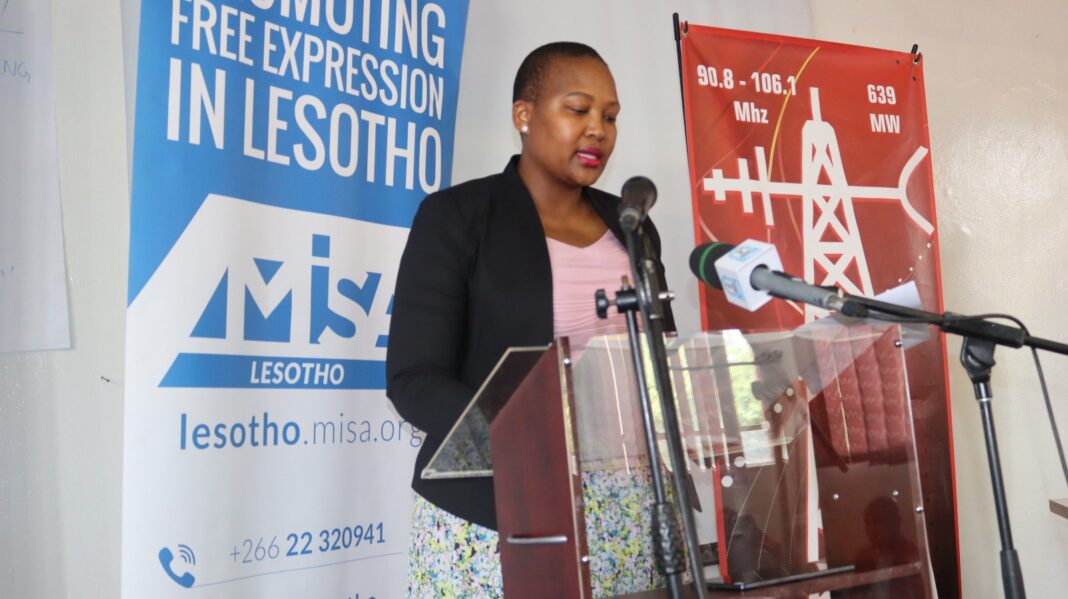
In her remarks, Media Institute of Southern Africa (MISA) Lesotho treasurer, Celina Leteketa, said the importance of parliament to Lesotho’s democracy cannot be underestimated because it is the ultimate expression of citizens.
She said there was still a gap in media reporting on female representation in parliament as well as their role in the public service.
Leteketa further called on individual journalists and their respective institutions to adhere to self-regulation in order for them to gain the trust of the public.
“We appreciate the initiative by the office of the Speaker of Parliament and believe that this marks the beginning of good relations between us. It is therefore, important that media has access to information on parliament matters.
“Undoubtedly, most people rely on media reports for information about proceedings in Parliament and about the actions and policies of government. The effectiveness of parliamentary democracy is in large part dependent on fair and accurate reporting,” she noted.
On behalf of MPs, chairperson of Ethics, Code of Conduct, Immunities and Privileges Committee, ‘Mamello Phooko, stressed the importance of professionalism and ethical reporting amongst journalists when covering parliamentary issues.
She said there have been significant milestones made by the 11th parliament which could bring back public confidence in the current government if reported fairly by media.
“Today we are making a history of introspecting and strengthening our relationship with the media. This symbolises growth for this parliament and together we can achieve a common goal of developing this country and the public at large,” Phooko added.
During the meeting, the National Assembly and media signed a Memorandum of Understanding (MOU) aimed at strengthening relations.
The two parties pledged to come up with a proposal to request funding for training journalists covering parliament.They also agreed to hold capacity building workshops for journalists at least twice every year.