

The Earth Observation Data Field Survey of 2022, conducted by Food and Agriculture Organisation (FAO) in collaboration with the government, revealed that about one-third of wetlands in Lesotho are disappearing at an alarming rate due to degradation.
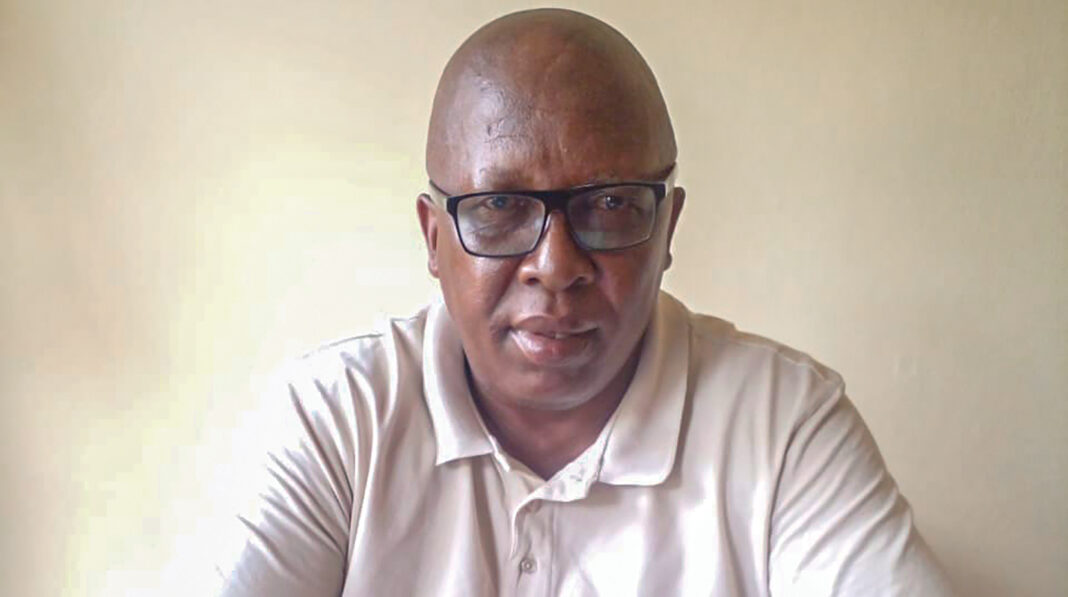
In an interview with theReporter’s ‘Mantšali Phakoana, the principal range management officer in the department of range resources management, Naleli Maliehe, explores the significance of wetlands and the threats they face. Maliehe further makes a passionate appeal for the conservation of wetlands across the country, underscoring the pivotal role they play in sustaining life.
What are wetlands?
Wetlands are areas where water is the primary factor controlling the environment and associated plant and animal life. They are found where the water table is at, or near the surface of the land, or where the land is covered by water.
Almost all the wetlands in Lesotho are in the high precipitation areas of the mountain regions and in headwaters of catchments. They are the origins of major river systems. Wetlands are variable in size, ranging from several square metres to square kilometres. The wetlands of Lesotho can be classified into five main types namely; mires, marshes, artificial impoundments, and natural lakes and rivers.
Some of the wetlands in Lesotho are Lekhalong-la- Lithunya, Kotisephola, Letšeng-la-Letsie, Khubelu and Ralintši. In 2017, the Food and Agricultural Organisation (FAO) reported that wetlands covered 32 580 hectares (1.1 percent) of the country’s total land of 3 055 314 hectares.
Why is it important to preserve wetlands?
Wetlands are key sources of freshwater, raw materials, genetic resources for medicines and hydropower, pastures and livelihoods of large sections of the community, non-living things and wildlife. The wetlands are deemed key for water delivery in the Lesotho Highlands Water Project (LHWP) catchments.
They are critically important ecosystems that contribute to biodiversity. They also help mitigate and adapt impacts of climate change, and provide for global economies.
In addition, well-preserved wetlands strengthen local food chains and revitalise biodiversity, as well as being large and extremely effective carbon sinks. Wetlands are part and parcel of rangelands; healthy rangelands result in healthy wetlands.
Wetlands play a fundamental role in the ecology of watersheds. The combination of shallow water and high levels of nutrients is ideal for the development of organisms that form the base of the food we consume and feed species of fish, amphibians, shellfish and insects. Wetlands are areas of natural beauty and help promote tourism.
You mentioned earlier that wetlands play a role in mitigating climate change. How so?
Wetlands play a role in mitigating climate change by absorbing carbon dioxide and filtering greenhouse gases. They are essential habitats for both indigenous plants and animals as well as our valued introduced species. Healthy wetlands ecosystems isolate large amounts of carbon, and by acting as a sponge and soaking up floodwaters, they can soften the impacts of climate change.
Wetlands store water during wet seasons and release it slowly during drought seasons. When we enter a period of drought, all the plants living in a floodplain rely on stored water in the soil to keep them green and stay healthy.
Because they are nature’s disaster management systems, wetlands absorb excess water and precipitation, helping with floods alleviation, a necessity considering the devastating floods that have wreaked havoc in our country in recent years.
Wetlands also provide water storage and purification through the plants and microorganisms that they house, a magnificent adaptive quality, particularly in countries that face long periods of drought. Wetlands stabilise coastlines, act as buffer against extreme weather events, and reduce the risk of soil erosion.
Maintaining wetlands allow wetland-dependent plants and animals to adapt in response to changing climatic conditions by moving to new areas. They help sustain local communities and combat food insecurity by supporting fisheries, agriculture, and livestock production.
Lesotho joined the rest of the globe in commemorating World Wetlands Day on February 2 this year, what can you say about the state of wetlands in the country?
Lesotho’s wetlands are disappearing at an alarming rate. The state of our wetlands is terrible, they are eroded and tramped upon. Our wetlands are degraded and have dried up so much that one can see footpaths and tracks due to encroachment on the land, hence a need for all stakeholders to act to stop this.
What are the dangers faced by wetlands in Lesotho?
Wetlands are commonly threatened by soil erosion, overgrazing, tramping by animals, rangelands burning, pollution, encroachment of bushes, construction of mines, dams, agricultural activities, human settlements, intrusion and disturbance. They are also under threat of invasive and problematic species and genes, droughts, and high temperatures brought about by climate change and severe weather.
Expansion of urban areas and infrastructure development often lead to wetland conversion into urban spaces, causing habitat destruction and fragmentation.
Also, human and animal encroachment pose a significant threat to wetlands in country. This leads to degradation, leading to the wetlands drying up.
What measures can Lesotho adopt to conserve wetlands?
It is imperative to act collectively and decisively for sustainable management of wetlands, promoting their wise use and investment in their conservation and restoration.
Like the rest of the globe, Lesotho commemorates World Wetlands Day annually to raise awareness and highlight their contribution to health and food security, share agricultural solutions, and inspire actions and partnerships for wetlands conservation.
Apart from that, through the Integrated Catchment Management (ICM) movement, the government in collaboration with other stakeholders like ReNoka are making efforts to rehabilitate our wetlands.
Through resource centres and community councils countrywide, the government has also embarked on campaigns to educate the public, especially herders and farmers on management and conservation of wetlands. Grazing associations are also playing an important role in this regard.
In order to distribute grazing, we advise farmers to build drinking points for their animals. These will assist to minimise the impact of animals tramping on wetlands. If all areas have these kinds of points, there will be no need for animals to trample on wetlands as they will be headed straight to the points, then back to the grazing lands.
We are also encouraging farmers and herders to cooperate and form grazing plans, whereby grazing of animals would be distributed within a certain range of place. Animals will be rotated sequentially within particular rangelands and at the same time paying attention that not one place is being overgrazed.
Additionally, different stakeholders have been hosting workshops for farmers and herders to encourage them to stop burning grazing and educating them on the effects of such acts. There is need to conscientize them that it does not only affect the environment but the health of their animals too. All these efforts require stakeholders will common goal and understanding.
Spreading awareness by initiating programmes or campaigns on the importance of wetlands and constant monitoring of wetlands for their water quality provides vital inputs to safeguard wetlands from further deterioration.
Who is responsible for conserving wetlands?
Conserving wetlands is a collaborative effort involving communities, councillors and chiefs (who are all at the grassroots and liberty to protect and ensure wetlands are well conserved daily), non-governmental organisations, international partners, government departments like of water, range, environment, and many others.
What would be your last message out there about wetlands?
Like I said, most of our areas especially in the highlands are covered by wetlands but these rich and fragile ecosystems are being continually threatened.
We see a great deal of destruction of rangelands impacting wetlands ecosystems such as when developers put in place water diversion and irrigation pipes. That can rob wetlands of their water sources.
There is no doubt that the loss of our wetlands will result in the loss of numerous species of animals and plants. Our livelihood will also be endangered if wetlands become further depleted.
It is therefore important for different sectors like mining and sports to engage experts when constructing mines as well as when hosting activities like Roof of Africa because during such activities, wetlands are destructed and might not recover fully.
Anyone planning to do an activity in a piece of land for future development should ensure that they are aware of all wetland features on the property so their development may be planned to minimise risks and maintain the wetlands’ functions. Land developers should contact the Department of Environment to ask questions before purchasing properties that they may not be able to develop as planned.


