
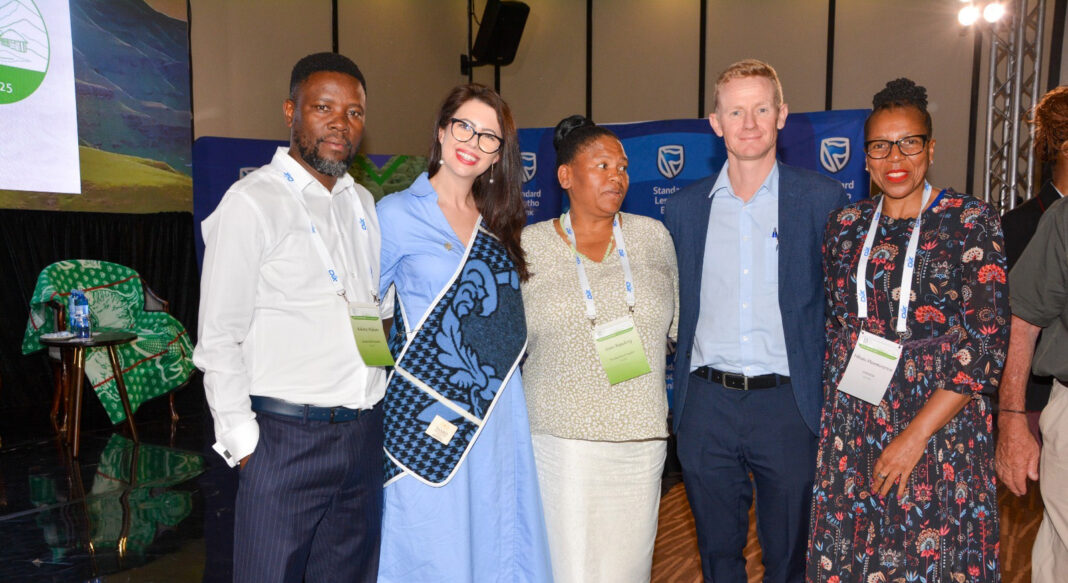

Lesotho took centre stage in the global wool and mohair industry last week as it hosted the 2025 International Wool Textile Organisation Round Table in partnership with the Lesotho National Wool and Mohair Growers Associations.
The two-day gathering brought together farmers, fibre specialists, researchers, global brands, processors and financial institutions to explore the future of sustainable wool and the opportunities emerging across the value chain.
His Majesty King Letsie III, Africa’s first Nutrition Ambassador, reinforced the deep social and economic importance of the wool and mohair industry.
He reflected on how the sector has sustained rural households for generations, providing income, supporting healthcare and enabling access to education.
With agriculture playing a central role in rural livelihoods, wool and mohair remain essential contributors to national exports and GDP, King Letsie III noted.
Hosting the Round Table placed a spotlight on Lesotho’s longstanding contribution to the global fibre value chain.
It also gave local farmers, institutions and associations an opportunity to engage directly with international experts.
The discussions underscored the importance of maintaining quality standards, improving rangeland management, investing in modern shearing and handling infrastructure and strengthening market access for Basotho farmers.
This year’s dialogue came at a critical moment for the global fibre economy – rising demand for certified sustainable textiles, pressure on supply chains to lower emissions, the growth of regenerative grazing and advances in traceability technologies are reshaping how wool is produced, traded and valued.
For a country like Lesotho, which is one of the world’s major suppliers of fine Merino wool and the second largest producer of mohair, the conversations carried significant national importance.


