
The World Health Organisation (WHO) has called on Basotho to renew their commitment to science and collaboration, saying the twin engines are critical to protecting health.
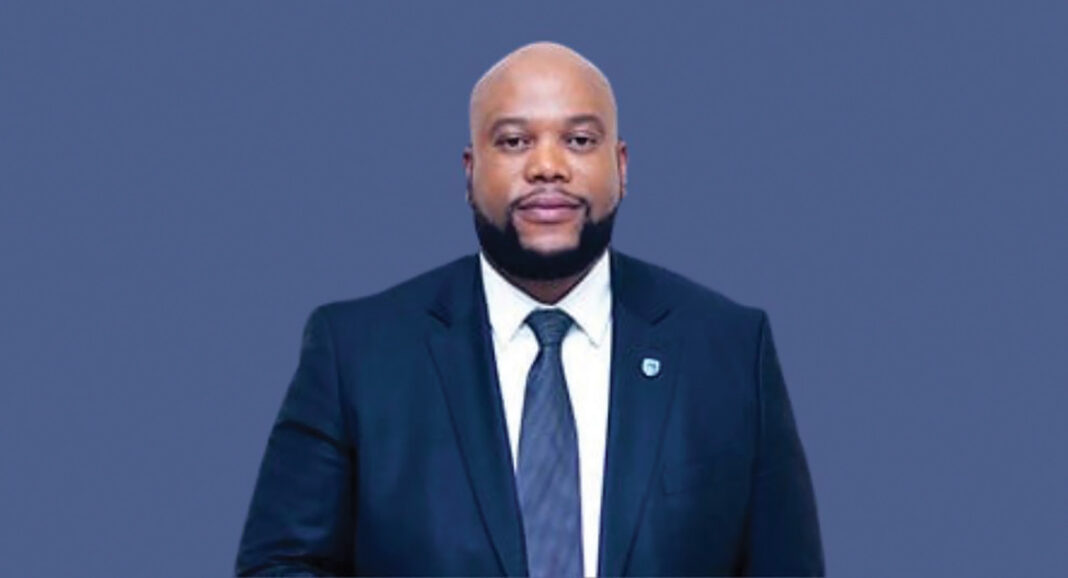
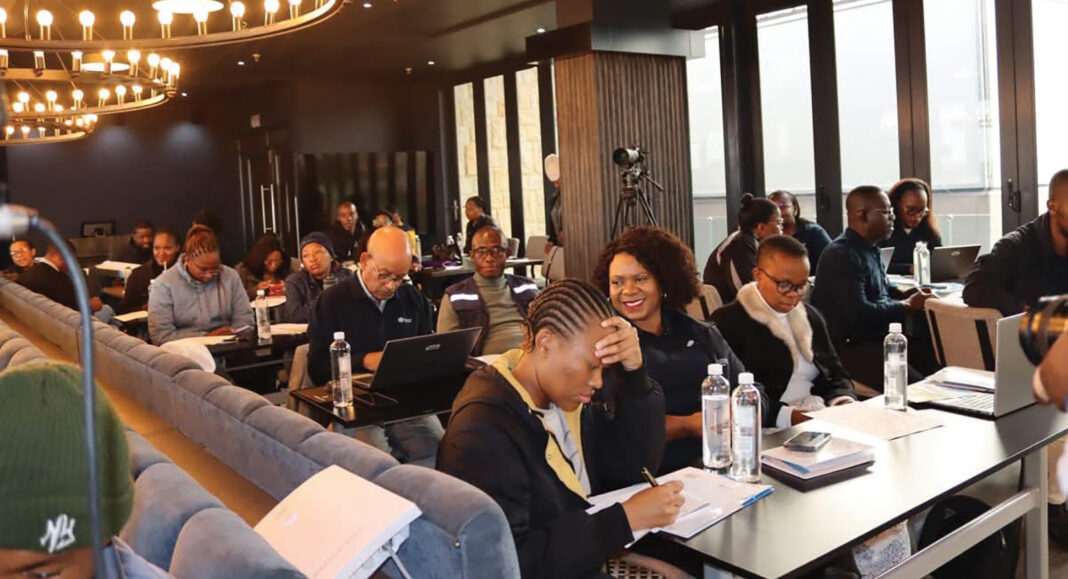
Speaking at a recent media workshop jointly convened by the Ministry of Health and WHO, the WHO Representative to Lesotho, Dr Innocent Nuwagira praised the media’s role in shaping public perceptions and ensuring accountability.
“We applaud you for partnering with WHO and the Ministry of Health to bring accurate health information to the communities you serve,” he said.
The workshop was held under the World Health Day 2026 theme: “Reporting Health Right-Standing WithScience.”
Dr Nuwagira noted that science has transformed health over the past century, noting that over the past 50 years, global immunisation has saved over 154 million children from infectious diseases.
The measles vaccine alone has saved more than 90 million children.
“Today, many people living with HIV can live longer healthy lives,” he said.
This year, Lesotho launched use of Lenacapavir, a game-changing tool in the medical prevention package.
Dr Nuwagira warned that health threats continue to grow as climate impacts, environmental degradation, geopolitical tensions, and shifting demographics are fuelling persistent diseases, strained health systems, and emerging diseases with pandemic potential.
“Science transforms uncertainty into understanding,” the WHO Representative said. “Without rigorous scientific inquiry, we risk being led by bias and misconception toward treatments that fail us or even place us in harm’s way.”
He urged the media to report responsibly and counter misinformation with facts.
“By working together scientists, policymakers, leaders, health workers, and the media, we can ensure accurate information reaches every household,” he pointed out.
Speaking during the same workshop, Principal Secretary in the Ministry of Health, ‘Mats’oaneloMonyobi said this year, World Health Day calls on people everywhere to stand with science.
“We must celebrate the power of scientific collaboration to protect the health of people, animals, plants and the planet,” Monyobi, stressingthat effective communication is now as critical as technical expertise.
Media training, she noted, equips communicators to convey complex ideas clearly, responsibly, and persuasively.
Whether discussing scientific breakthroughs, public health initiatives, or collaborative projects, messages must resonate with diverse audiences, she urged.
On health communication, Monyobi said both personal and public health demand accurate, timely, and empathetic messaging.
She indicated that media representatives and spokespeople are entrusted with translating research findings, preventative guidelines, and innovative solutions in ways that inspire understanding and action.
She added science is society’s evidence-based compass, citing that communicating build information effectively builds trust, counters misinformation, and fosters informed decision-making.
“Together, by combining teamwork, health awareness, and scientific rigor, we can become compelling communicators who drive positive change,” Monyobi added.