
‘Mantṧali Phakoana
The government is committed to eliminating sexual exploitation, abuse and harassment (SEAH) in the public service workplace.
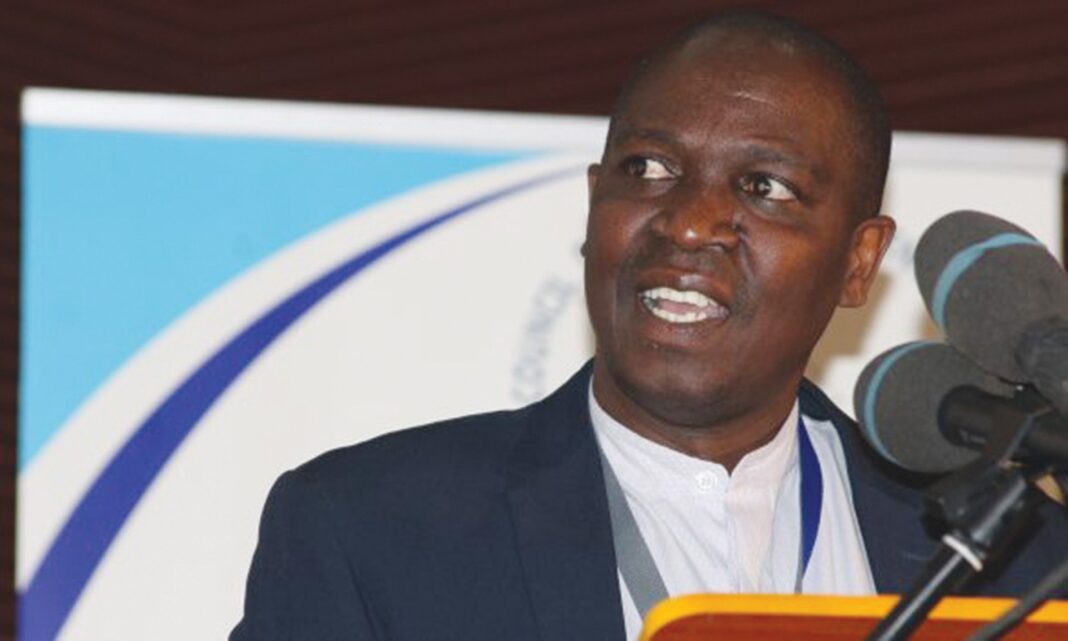
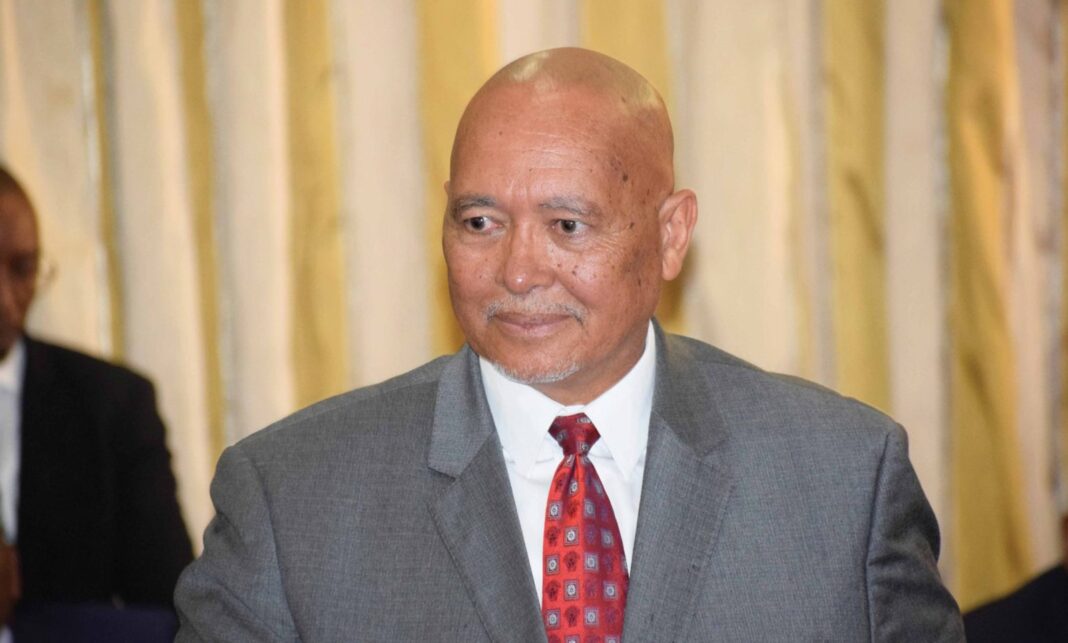
This was disclosed by public service, labour and employment minister, Richard Ramoeletsi at an occasion to validate guidelines on prevention of SEAH on Monday this week.
According to rights group Gender Links, 86 percent of women in Lesotho have experienced some form of gender-based violence (GBV) at the workplace. At the same time, 41 percent of men in the country admit to having perpetrated acts of gender violence in their lifetime.
In response to this situation, the government has joined forces with non-governmental organisations, the private sector and development agencies like United Nations Development Programme (UNDP), United Nations Children’s Fund (UNICEF) and World Health Organisation (WHO) to put in place sustainable interventions to combat this scourge.
“Today, as the ministry of public service, labour and employment, we commit to take every effort to ensure that our workplaces are safe by preventing acts of sexual exploitation, abuse and harassment by, and to our employees through regulatory frameworks and implementation of effective programmes and strategies.
“We declare zero tolerance to sexual exploitation, abuse and harassment within government institutions,” Ramoeletsi said.
He also underscored the importance of preventing SEAH and further promised to take decisive action whenever such acts occur.
The guidelines would be utilised to curb the escalating violence and harassment within government institutions.
Ramoeletsi promised that the government will prompt and appropriate action against public officers who commit sexual exploitation, abuse and harassment. It was therefore, important that all civil servants familiarise themselves with these guidelines.
“Now that we have the guidelines, the government of Lesotho commits to preventing sexual exploitation, abuse and harassment in the public service workplaces through the incorporation of the guidelines on SEAH into regulations governing the public service,” he said.
He added that the government would also ensure that mechanisms for reporting sexual exploitation, abuse and harassment are accessible.
The minister re-affirmed government’s goal of achieving full implementation of these principles as a matter of urgency.
He thanked UN agencies for financing and taking part in the development of the guidelines. “Your continued support to the protection of vulnerable Basotho is warmly appreciated.”
Speaking at the same occasion, UNDP resident representative to Lesotho, Jaqueline Saline Olweya said the ever-changing world of work and the struggle to achieve decent work for all has brought GBV to the centre of discourse relating to the modern workplace.
“Gender based violence in the form of sexual exploitation, abuse, violence and harassment, has been identified as one of the major problems in the workplaces,” she indicated.
It had also been established that the Covid-19 pandemic increased in the number of GBV cases at workplaces.
“While discussions and interventions relating to gender-based violence are not exclusive to women and girls, it has been established that most of the victims of such exploitation, harassment and violence are women and girls globally,” Olweya noted. She pointed out that a gender audit by the ministry of public service, labour and employment in 2022 had revealed that the need for the ministry to include guidelines for addressing sexual harassment and exploitation at the workplace.