
Matṧeliso Phulane
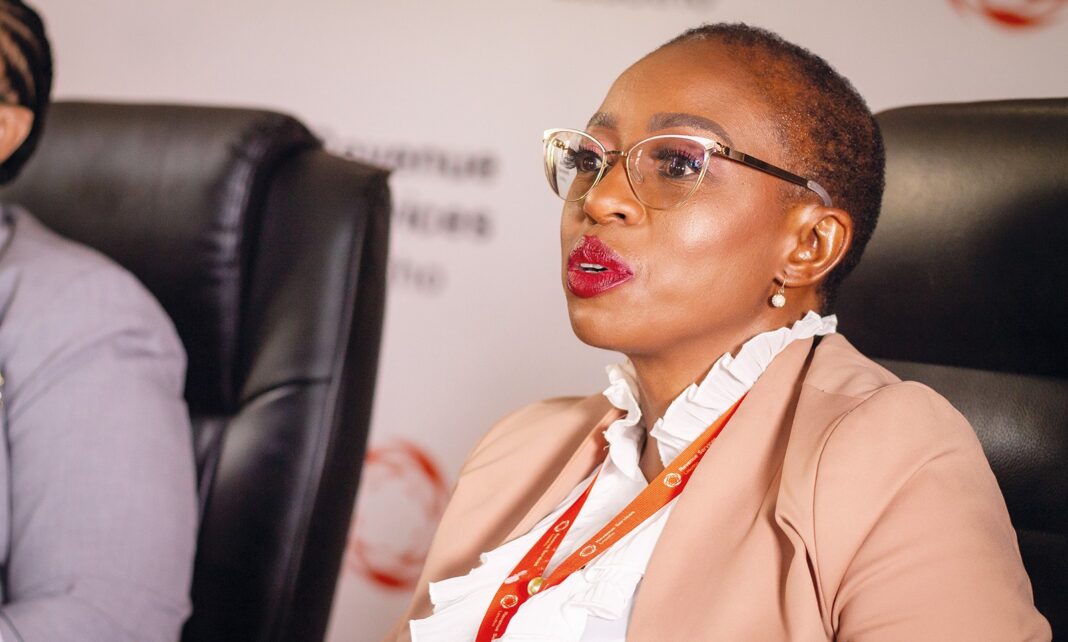
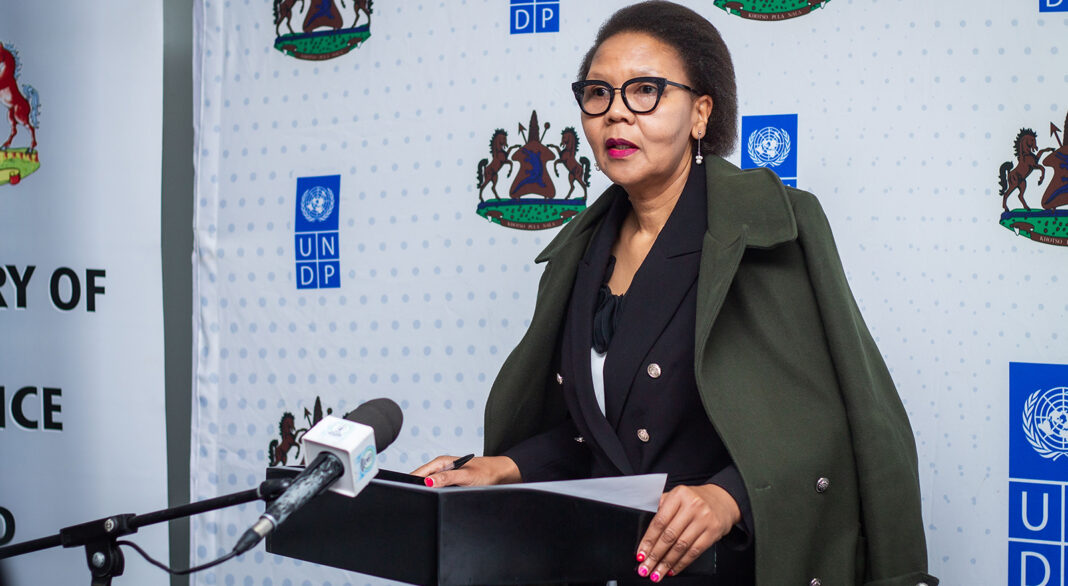
The principal secretary of the ministry of finance, development and planning, Nthoateng Lebona, says government needs to ensure that women participate in the economic development of the country in order to overcome challenges facing it.
Lebona said this when officially opening a validation workshop of the Sustainable Development Goal (SDG) investor map in Maseru on Wednesday this week.
The main objective of the workshop was to consolidate potential investment opportunity areas and find a way forward on how the ministry can improve investment plans in the medium to long term.
“It is important that the work we do as the government ensures that the policies and programmes cater for gender equality since the SDG five is focused on pursuing gender equality in all aspects of women and girl’s lives including ending gender disparities, eliminating violence against women as well as securing equal participation and opportunities,” Lebona said.
She noted that there is also the issue of money laundering which they will be reporting on since the country.
The SDG Investor Map is a market intelligence product to help private investors (funds, financiers, corporations), identify investment opportunities and business models that help address the national development needs and advance the national priorities to accelerate achievement the SDGs.
The map will provide insights and tools needed by the private sector to increase their investments towards the SDGs and can make a significant contribution to filling existing financing gaps by mobilising private capital for achievement of the SDGs. It has further been complemented with a rapid assessment of private sector capabilities.
The assessment sought to determine existing private investment barriers and capabilities with a view to providing recommendations on what needs to be done to facilitate investment and instigate public-private collaboration for mobilising development financing.
Additionally, the assessment provided an understanding of the private sector landscape in Lesotho to identify the bottlenecks and disincentives, investment opportunities and potential sectors that may be earmarked to stimulate private capital investment and ultimately, determine the local private sectors’ potential to invest or participate in development initiatives.
The assessment has been instrumental in helping the selection of the five sectors, namely, agriculture, manufacturing, health care, financial services and energy, which are deemed to have potential to attract more SDG-aligned private investment.
“May I remind you that this assignment is also aimed at supporting the government to achieve key priority Area1 of the NSDPII which is; promoting inclusive and sustainable economic growth and private sector-led job creation.
“It also focuses on UNDAF outcome three which states that by 2023, the government and private sector should increase opportunities for inclusive and sustainable economic growth, improve food security and decent work for all especially for women, youth and people with disabilities, by facilitating creation of conducive policy environment, providing platforms for dialogue and generating evidence for private – public dialogue,” Lebona added.
At the same occasion, the acting chief executive officer of the Lesotho National Development Corporation, Tṧeliso Ramaili, said his organisation’s main focus is to promote investment opportunities in Lesotho.
“We are working very closely with the main export products such as water bottling companies that exports to South Africa. I think Lesotho can do more to capitalise on this resource which is our water,” Ramaili observed
He added that the focus is also on electrical components and those companies include those that produce electrical machinery, equipment, sound recorders as well as well as television images, parts and accessories.
“In the Lesotho textile sector, we are focusing on indigenous fashion design and production. We feel we are not doing enough with the ‘Seshoeshoe’ garments from Lesotho as well as Basotho blankets which are not manufactured in our country. We want to ensure that we export that talent of Basotho to the world,” he said.