
Lesotho has lost millions of maloti in potential cannabis revenue due to poor management of the industry, the Portfolio Committee on the Social Cluster has said.
An investigation by the committee has exposed serious weaknesses in the Ministry of Health’s management of the medicinal cannabis sector, including poor monitoring of revenue collection and companies operating without renewing their licences.
About 75 companies have failed to pay licence fees, the committee says.
The probe was prompted by the committee’s discovery during the ministry’s 2024/2025 quarterly assessment report presentation that there was no record of revenue collected under the ministry’s cannabis revenue item.
The committee subsequently requested financial records, including a list of companies that had not paid licence fees, details of cannabis revenue accounts, proof of payments by active companies and information on sales, production volumes and exports.
However, when the Director of Pharmacy appeared before the committee on March 24, 2025, she reportedly explained that her laptop had crashed, resulting in the loss of the requested information.
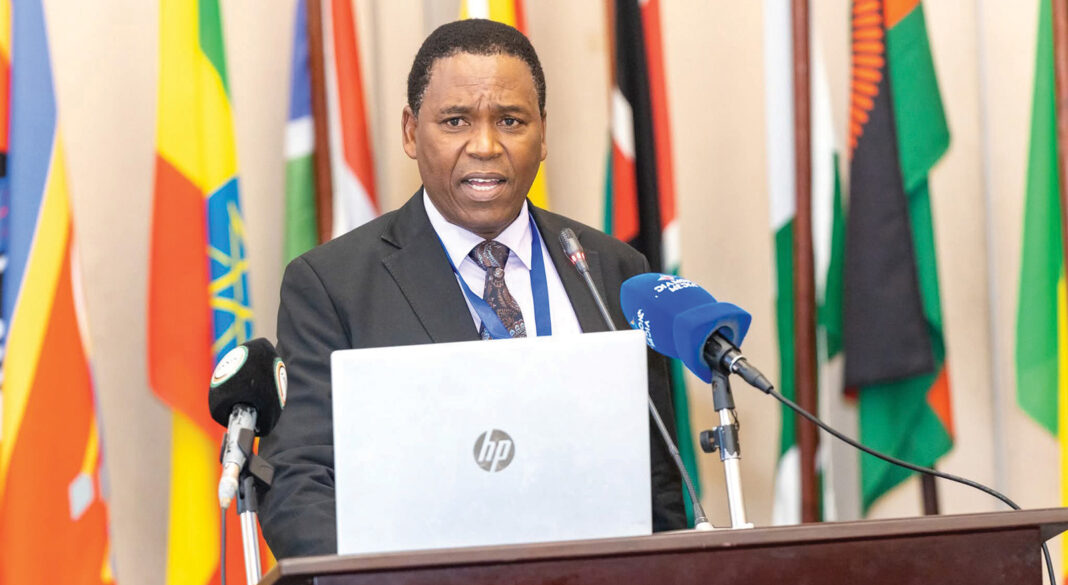
Presenting the committee’s report to the National Assembly this week, chairperson Mokhothu Makhalanyane said the investigation also uncovered confusion over the authority to issue cannabis licences.
He noted that Director of Legal (name not given) told the committee that she had been appointed by the Minister of Health to issue certificates bearing the minister’s signature, the reports states.
However, the committee said she failed to establish the legal basis for issuing such certificates when the Director of Pharmacy was already responsible for this.
The committee further discovered that the ministry had initially opened a Post Bank account to receive cannabis payments, but additional accounts were later identified which the ministry had denied existed.
The sharing of the original account among cannabis farmers made it difficult to identify payments, with bank statements showing known and unknown individuals depositing money for companies whose identities could not always be established, the committee said.
The Post Bank statement covering July 2018 to 2021 reflected collections of M14.37 million. However, the committee said funds collected through the account had not been fully reported by the bank.
The report also states that Post Bank opened a new account at FNB South Africa without notifying the Ministry of Health.
The ministry subsequently wrote to the bank, instructing it not to disclose details of the account without its approval and not to accept payments unless clients presented authorisation from the ministry, it notes.
The committee observed that cannabis licence payments and renewals were handled at the Director of Pharmacy’s office instead of through the ministry’s accounts section. It also found that the Principal Secretary had no record of collections made through the Post Bank account.
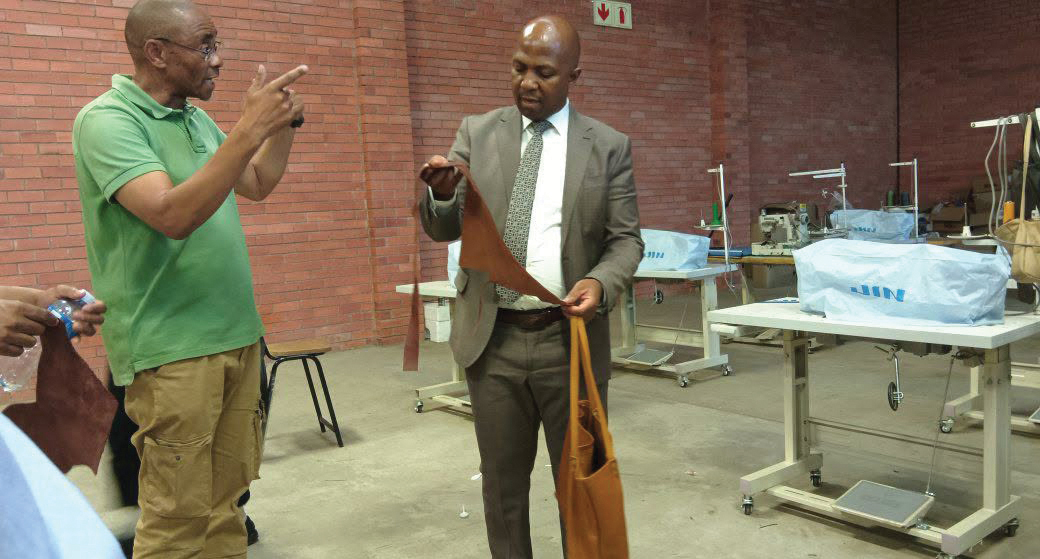
During visits to cannabis sites in Thaba-Bosiu and Bela-Bela, the committee found companies operating outside the terms of their licences.
Some had not renewed their licences but continued operating, while others were allegedly operating under licence categories different from those for which they had paid.
At a cannabis stakeholders’ forum held at the National Assembly on April 15, 2025, farmers and investors acknowledged the industry’s challenges and urged the authorities to address them without undermining its growth.
Makhalanyane also indicated that some farmers said they had paid for licences but never received them, while others claimed they had not received proof of payment, preventing them from operating.
“Others claimed their licences had been revoked without adequate justification,” he said.
According to the committee, stakeholders raised concerns about inadequate quality assurance for cannabis products, particularly medicinal products, and lack of an authority responsible for certifying exports in line with international standards.
The committee warned that these shortcomings were restricting access to foreign markets and costing the country revenue.
It described cannabis farming as a lucrative business that could contribute to economic growth if properly managed, but warned that widespread non-compliance and weak oversight were undermining the industry.
The committee recommended that all cannabis licence payments and renewals be processed through the ministry’s accounts section. It also urged the ministry to establish the status of all cannabis-related bank accounts and report back to it (committee).
The committee further recommended that the ministry ensure all operating companies comply with the legal framework, remove obstacles to cannabis exports and regularly report progress and challenges to Parliament.
Makhalanyane noted that under the fee structure outlined in the report, an operator licence costs M400,000, with a renewal fee of M300,000. Cultivation, manufacturing and testing licences each cost M100,000, with renewal fees of M75,000.
The industry is regulated under the Drugs of Abuse Act of 2008, the Drugs of Abuse (Cannabis) Regulations of 2019, the Drugs of Abuse (Amendment) Act of 2022 and the Drugs of Abuse (Cannabis) (Amendment) Regulations of 2025.
The committee submitted its findings and recommendations to the National Assembly for adoption.