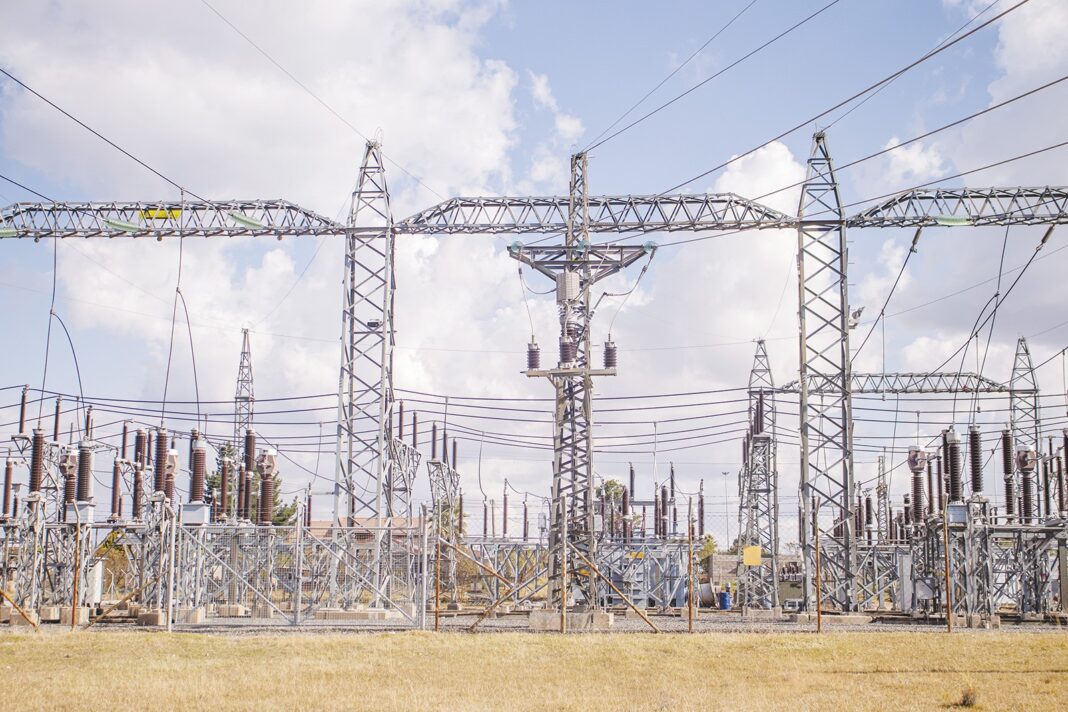

This week we learned that government had finally paid its electricity debt of M80 million. While the Lesotho Electricity Company is full of praise for government finally setting its debt that had accumulated for four than five years, would have just three words for government: shame on you.
Here’s why. Electricity is no longer a luxury or novelty reserved for a select few. It is now a basic need, and others call it a basic human right.
The positive relationship between energy and economic growth is clear: income and energy consumption are tightly correlated on every continent and across every time period for which data exists. Nowhere in the world is there a wealthy country that consumes only a little energy, nor a poor country that consumes a lot.
Electricity is essential for human development, as it enables access to education, health, communication, and economic opportunities.
So when a client as Brobdingnagian as government does not pay its electricity bill, this has effects on the economy of the country.
Lower production due to blackouts means economies of scale can be lost, and hence there are higher unit costs of production. Producers say disruptions due to power cuts push up costs and reduce production, and in the process raise prices. Power cuts mean reduced production and higher costs for producers. All in all, unpaid electricity bills undermine efforts to improve access and reliability.