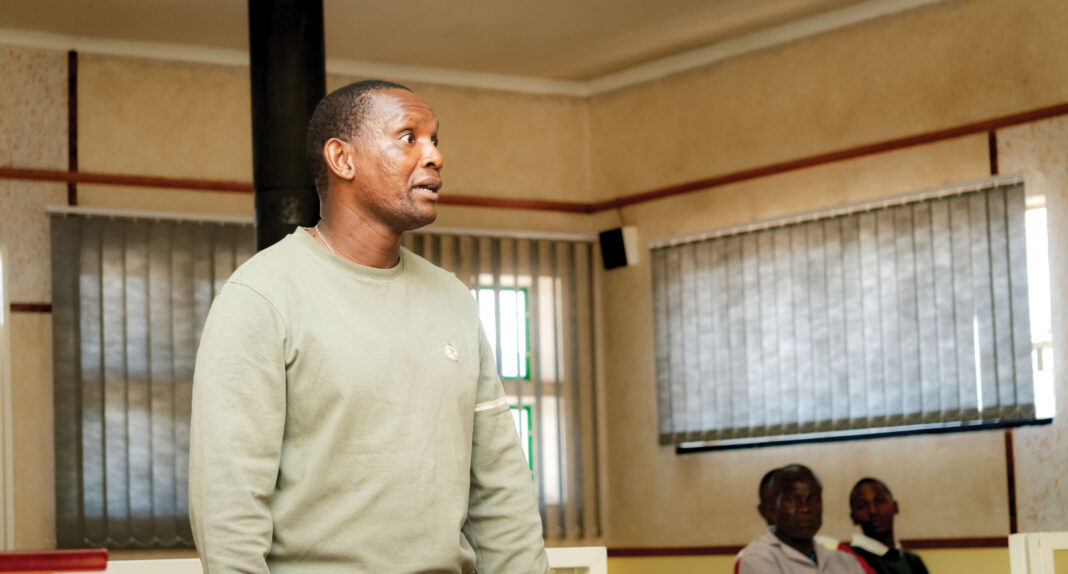

Extreme heat poses serious health risks, particularly to pregnant women, infants, informal workers and healthcare workers, as climate change brings rising temperatures and more frequent and prolonged heatwaves, Professor Sibusiso Mkwananzi has warned.
She told a workshop on extreme heat reporting in Sandton, South Africa, this week that changing climate conditions were directly affecting public health.
The workshop was aimed at strengthening journalists’ understanding and reporting of extreme heat and its impacts on communities.
Organised by HERA, a women-led climate adaptation non-governmental organisation, focused on delivering solutions that protect the health, income and dignity of women on the frontlines of extreme heat.
“Variable rainfall – floods and droughts, rising temperatures, more frequent and longer heatwaves directly influence public health,” she said.
Her warning comes as Lesotho is among Southern African countries facing the prospect of above-average temperatures during the 2026/2027 rainy season, raising concerns about the country’s preparedness to protect vulnerable communities from extreme heat.
The Southern African Development Community (SADC) 2026/2027 seasonal climate outlook indicates an increased likelihood of below-normal rainfall in Lesotho between October and December 2026, alongside above-average temperatures across most of the region.
The outlook identifies a developing El Niño phenomenon in the tropical Pacific as one of the major climate drivers, with conditions expected to strengthen during the latter part of 2026.
The Lesotho Meteorological Services (LMS) provides seasonal climate forecasts covering rainfall distribution, temperature trends and possible drought and flood risks to support preparedness and planning across the country.
Mkwananzi, who is with the Climate and Health Programme at the Implementation Science Directorate of Wits RHI, particularly highlighted the vulnerability of pregnant women and infants to extreme heat.
Her presentation outlined two ongoing research projects in Tshwane, South Africa, examining the effects of heat exposure and possible adaptation measures.
The Heat Adaptation for Pregnant Women and Infants (HAPI) study focuses on pregnant women and infants living in informal settlements, examining heat adaptation at individual, household, facility and community levels.
The second project, HIGH Horizons, investigates the impact of heat on healthcare workers and the implementation of heat-adaptation measures in healthcare facilities.
Both projects are currently at the data analysis and publication stage.
World Bank representative, Bradley Riley, warned that the effects of extreme heat were often underestimated, particularly the number of deaths associated with heatwaves.
“Deaths linked to heatwaves are like the tip of an iceberg: 10 percent visible, 90 percent invisible,” Riley said.
He cited South African figures showing that 94 heat-related deaths were recorded in 2016, while Gauteng experienced 585 excess deaths during a heatwave in the same year.
Riley also underscored the relationship between temperature and mortality, noting that at 33 degrees Celsius, all-cause mortality was 16 percent higher, according to the evidence presented for developing early-warning thresholds.
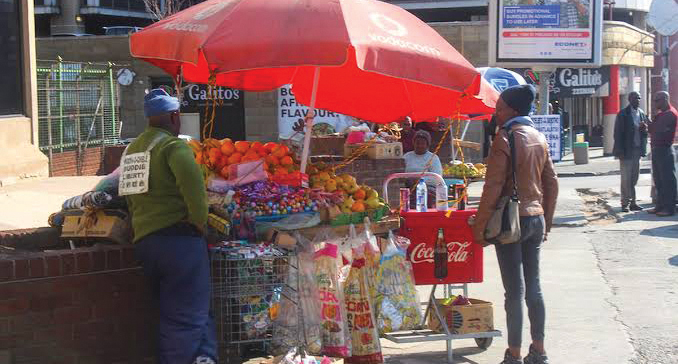
He indicated that extreme heat was not only a public health concern but also an economic issue because it reduces labour productivity, threatens jobs and imposes costs on livelihoods.
Riley further emphasised that heat exposure was unequal, as people’s living and working conditions determine their vulnerability.
He presented a proposed Gauteng Heat Action Plan covering Johannesburg, Ekurhuleni and Tshwane, with interventions including early warnings, public awareness, stronger healthcare capacity, protection of outdoor and informal workers and improved cooling infrastructure.
Climate scientist Mary-Jane Bopape also presented on the El Niño Southern Oscillation and its influence on Southern Africa’s climate, examining current El Niño conditions and the SADC seasonal outlook.
The three presentations formed part of a regional journalists’ training workshop on extreme heat reporting involving journalists from approximately 19 countries across Southern Africa.
The workshop, which began on Tuesday and ended yesterday, sought to strengthen journalists’ understanding of extreme heat, its health implications and its wider effects on communities and livelihoods.