
By Seleoe Nonyane
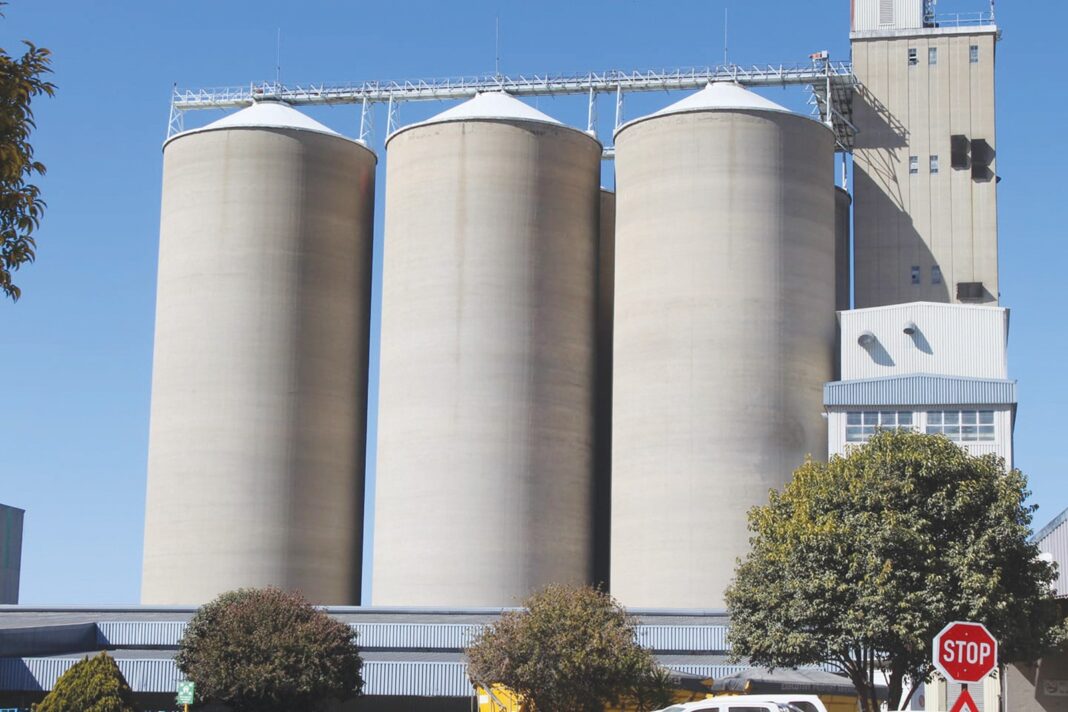
The price of flour will go up by M300 per metric tonne (mt) effective May 20 2022, Lesotho Flour Mills announced last week.
In a statement issued on May 11 2022, Lesotho Flour Mills stated that the price hike, “can be attributed to rising prices of raw materials and the packaging.”
This means that the prices of flour will increase between 30 lisente and M15 for a 1kg packet and 50kg bag.
Commenting on the price hike, the chief information officer of the ministry of agriculture and food security Lereko Masupha said nothing could be done to avoid it because Lesotho does not produce its own food.
“The country imports 80 percent of grains from other countries because Lesotho cannot produce enough wheat for consumption and selling, and has to rely on other countries for grains.
“Another contributing factor is the recent heavy rain falls we experienced which destroyed crops and made it difficult for farmers to plough and harvest on time.
“Therefore, when supply is low the demand becomes high,” he stated.
He added that even the price of maize is expected to go up too in the coming months.
In a similar vein, the Lesotho National Farmers Union (Lenafu) says the increase in the prices of flour was inevitable.
Lenafu programmes manager, Khotso Lepheane said this is because of the torrential rains that affected the crops negatively, not only in Lesotho but in South Africa as well.
Lepheane said these rains had made it hard for the country to import wheat from South Africa as the neighbouring country, too, was also affected by the heavy rains.
“Therefore, wheat is now imported from other countries further afield, hence the price hike. It is difficult for the country to produce enough wheat to feed the country because of lack of farm machinery.
“Machines such as combine harvests are not enough in the country. The only way for the country to be able to produce enough wheat for the market is to increase the number of machines.
“There are skilled people who can produce good wheat. However, it is a job and a half for them to acquire machinery, and this makes it very difficult to plough and harvest. Doing the job manually is too slow and time-consuming. It means yiled are late to reach the market. So, we need more equipment to finally be able to produce.”