
For years, climate adaptation was seen as the government’s responsibility alone. That thinking is changing.
The future of climate resilience lies with the private sector – innovators, entrepreneurs, Small and Medium Enterprises (SMEs), and graduates. It lies in turning climate threats into innovation and opportunities for a new green economy that creates jobs.
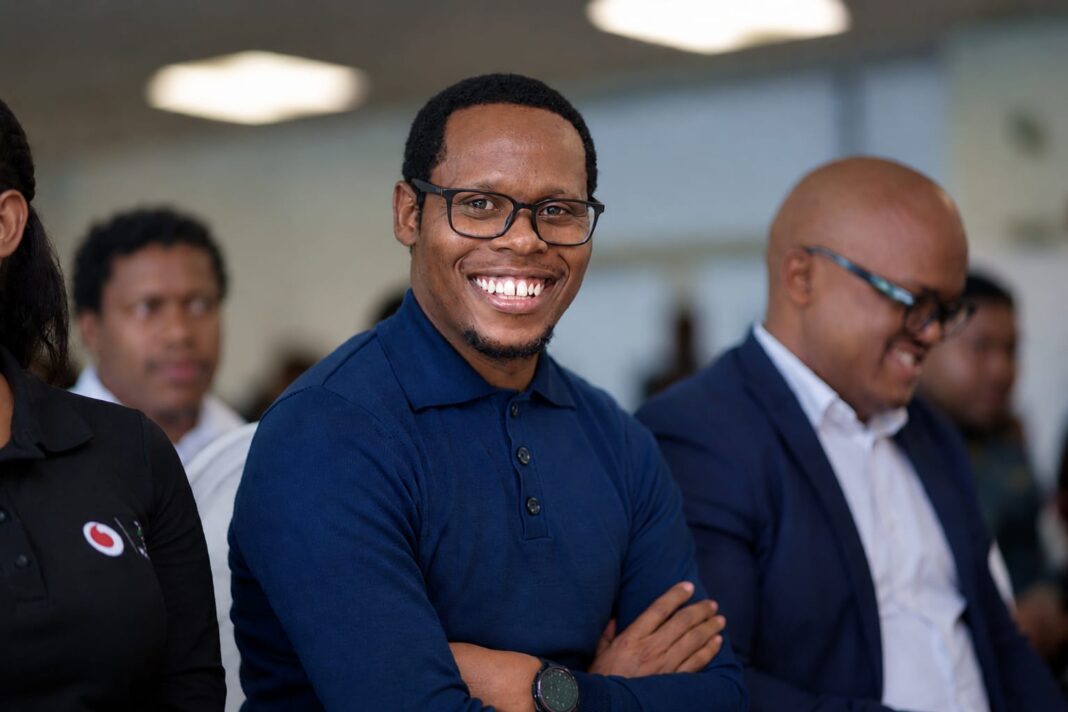
That was the message at the inception and stakeholder engagement meeting for the Promoting Climate Adaptation and Resilience through Innovation and Entrepreneurship for Green Jobs in Lesotho (PARS Lesotho) project, held in Maseru this week.
The USD10 million (M163,085,000) project is expected to run for five years and supports 80 SMEs with business ideas aimed at mitigating the effects of climate change and creating green jobs. It will support climate adaptation and resilience solutions in water, energy, food and agriculture.
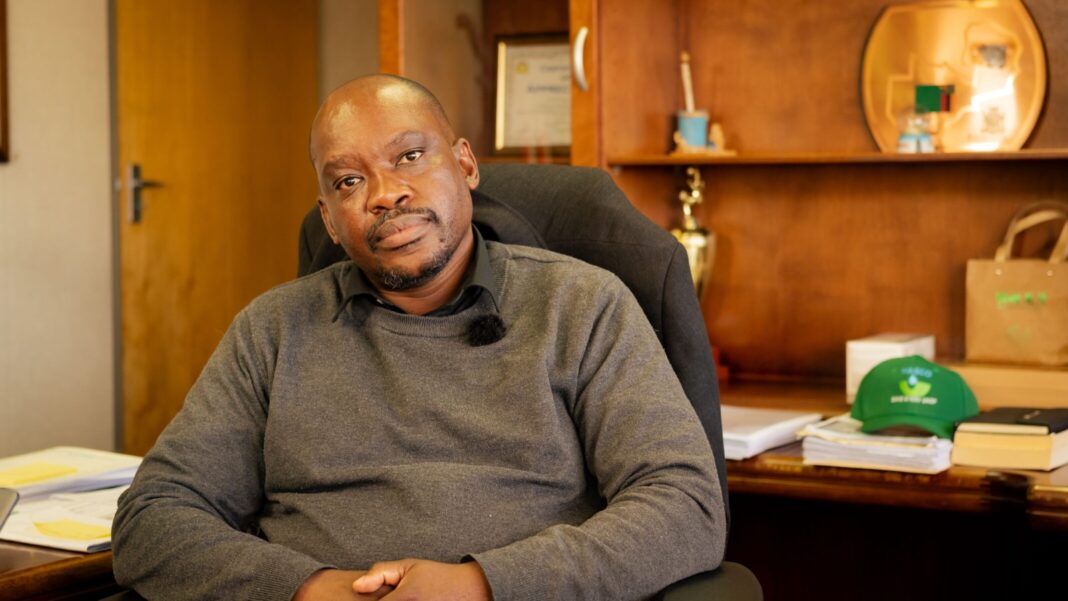
Speaking at the meeting, Minister of Environment and Forestry Richard Ramoeletsi said climate change demands an integrated national response.
It requires stronger institutions, mobilised finance, appropriate technologies and an enabling environment for innovation and entrepreneurship.
“Lesotho is highly vulnerable to climate change. Its reliance on climate-sensitive sectors exposes the country to recurrent droughts, intense storms, land degradation, water scarcity and declining agricultural productivity.
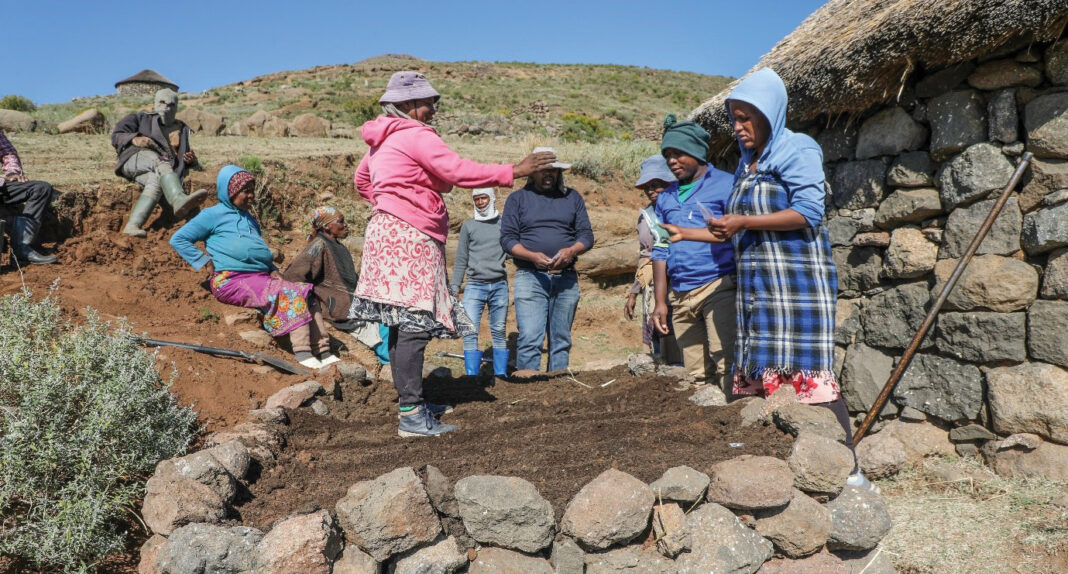
“These are not just environmental concerns. They affect livelihoods, food and water security, infrastructure, health, employment and economic growth. Rural communities, women, youth and farmers carry the heaviest burden,” Ramoeletsi said.
He noted that the meeting marks a milestone in Lesotho’s efforts to strengthen climate resilience, promote inclusive green growth, and protect the livelihoods of Basotho.
The PARS project is designed to support that approach by promoting climate adaptation, resilience, innovation and entrepreneurship while creating green jobs.
The programme is a USD47 million initiative funded by the Global Environment Facility (GEF) through the Least Developed Countries Fund. It covers six countries: Angola, Ethiopia, Madagascar, Malawi, Somalia and Lesotho.
“The project is supported by GEF, which provides the resources, UNIDO ensures technical excellence, and our Ministry guarantees national leadership,” Ramoeletsi explained.
“Together with the private sector, this collaboration represents a whole-of-government and whole-of-society approach. The project aligns with Lesotho’s national priorities,” he said.
He indicated that the project contributes directly to the National Climate Change Policy, particularly Statement 18 on private sector participation.
It also complements the Nationally Determined Contribution, the National Adaptation Plan and strategies for a low-carbon, climate-resilient and inclusive economy.
Ramoeletsi stated that success would not be measured by meetings held or reports produced. “It must be measured by tangible improvements in the lives of Basotho: vulnerable communities better prepared for climate shocks, MSMEs introducing viable climate solutions, women and youth gaining meaningful economic opportunities.
He added that marginalised groups, women, youth, persons with disabilities and vulnerable communities must not be treated simply as beneficiaries.
“They must be recognised as partners, innovators, entrepreneurs and leaders in the transition to a climate-resilient economy,” he said.
Ramoeletsi assured stakeholders that the Ministry would maintain open communication, apply strong environmental and social safeguards, promote equitable access and establish systems to monitor results.
Director of the Montreal Protocol and Climate Innovation Division at the United Nations Industrial Development Organisation (UNIDO), Alois Mhlanga, said the private sector had not traditionally been seen as having a major role to play in climate adaptation.
Mhlanga said the project challenges a long-held misconception about the role of the private sector in climate adaptation, citing that climate change is no longer a Global South issue alone.
“After 20 years in Europe, I have seen rivers drying, water for irrigation disappearing and nuclear plants shutting down for lack of cooling water,” he pointed out.
“For the Global South, climate variability, drought and water stress are not only environmental shocks, but economic development issues,” Mhlanga said, adding that climate change also places pressure on governments to reprioritise resources.
“When people are hungry and cannot be food secure because of climate change, the government has to reprioritise. Yet within the crisis lies opportunity. Climate change is not only a challenge, it is also a call to innovate, adapt, transform and prosper,” Mhlanga noted.
He said adaptation was not simply about managing risks, but also about creating opportunities for businesses to invest in resilience.
It could enable communities to access technologies that improve livelihoods while helping countries build stronger and more diversified economies.
He gave the example of a farmer who borrows M500,000 for agriculture only to lose the investment when drought strikes. The bank is also exposed to the loss. But if the bank conducts a climate-risk analysis, Mhlanga said, it could advise the farmer to use drip irrigation instead of relying on rain-fed farming.
“That creates a new adaptation economy, financing both the farmer and the local drip-irrigation provider.
“This is why SMEs are central to PARS. UNIDO brings world-class experience in helping SMEs develop, compete globally and access markets. SMEs already have relationships with communities. They are providing fertiliser, selling equipment,” Mhlanga said.
He revealed that global adaptation needs were estimated at about USD165 billion per year and were continuing to rise, while donors were able to provide only between USD40 billion and USD50 billion.
“There is a gap of about USD300 billion per year, and it is widening. Who is going to meet this gap?” Mhlanga asked.
“We must start using public funding in a very catalytic way to incentivise the private sector. That requires an ecosystem, not just technology,” he said.
“It needs supportive policies, access to finance, strong institutions and partnerships between government and the private sector where there is appetite to invest.”
Mhlanga also indicated that the real measure of success would be visible in the lives of entrepreneurs and communities.
“Success will be measured when, three years down the line, we drive along the roads and see entrepreneurs who are able to pay their school fees and hospital bills through deployment of adaptation solutions,” Mhlanga said.
“Let us seize this opportunity to transform climate challenges into opportunities for innovation, entrepreneurship, sustainable jobs, resilience and sustainable development,” he urged.
Explaining how Lesotho will implement the project, PARS Lesotho Project Manager for Climate Technology and Innovation, Caterina Bianco, said each of the six national projects was designed around specific climate risks and local needs.
In the case of Lesotho, the funding is USD10 million (M163,085,000). The PARS Lesotho project will support a small business that has a promising idea, for example, providing irrigation to a farmer, but lacks support to transform this idea into a viable business,” she said.
PARS aimed to accelerate locally driven innovation, entrepreneurship, green jobs and access to finance while leaving a meaningful and transformational impact.
“The global PARS programme will help identify and learn from barriers businesses face in different countries, from funding frameworks to technical support,” Bianco said.
For the Ministry of Trade, Industry and Small Business, the environment must also be made easier for innovation to reach the market.
Director of Business Development Maqhanole Tsekoa said Lesotho needed to review policies and regulations that slow down innovation, from testing and certification to standardisation and access to markets.
He called for procurement policies to be reviewed so that government could help create markets for locally developed climate solutions.
Finance remains key, Tsekoa stressed, calling for stronger collaboration between government, academia, the private sector and financial institutions.
He also challenged academic institutions to move beyond producing research papers and use findings to address practical problems facing the country.
Tsekoa further called for clarity on participation targets for women, men and youth to ensure meaningful inclusion in the project.